Int'l Energy Agency release largest volume of emergency oil in history
發佈日期: 2026-03-12 12:41
TVB News
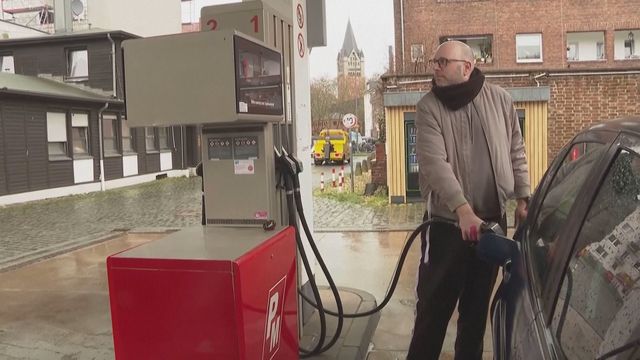


A widening war in Iran has halted oil tankers, made targets of refineries and spooked investors worried about the cascading impact of spiking energy prices.

In response, the International Energy Agency agreed on Wednesday to release the largest volume of emergency oil reserves in its history, with the Paris-based organization pledging to make 400 million barrels of oil available from its member nations' stockpiles.

The announcement marked a shift in momentum in government response to the war upending the flow of oil, with other global leaders previously indicating reluctance to tap into stockpiles.

Here is a look at the energy supplies that countries hold and when they tap them:

Since war erupted in the Middle East on Feb. 28 with the US and Israel's joint attacks on Iran, the flow of oil tankers through the Strait of Hormuz has all but stopped, cutting off a vital passageway where roughly one-fifth of the world's oil sails through on a typical day. Major producers in the region like Iraq, Kuwait and the United Arab Emirates have also cut production because they are running out of storage space. And Iran, Israel and the US have all struck oil and gas facilities, worsening supply concerns.

That has sent prices soaring with dramatic swings almost every day. On Monday, Brent crude oil - the international standard - surged to as high as nearly $120 a barrel, before falling to under $90 after President Donald Trump suggested the war could be near an end. But attacks have continued to escalate since, pushing prices back to about $100 a barrel.

Countries around the world hold vast quantities of oil that they can use in the event of a crisis.

Because oil is a global commodity and flooding the market with a sudden stream of new supply has international implications, countries often talk to one another before tapping reserves. That includes coordinating with the IEA, an organization created in the aftermath of the 1973 oil crisis. It has 32 members - including Germany, Austria and Japan, all of whom confirmed Wednesday that they would be tapping parts of their reserves. The US, Mexico, Australia and other major countries are also part of the IEA.

IEA members currently hold over 1.2 billion barrels of public emergency oil stocks, with a further 600 million barrels of industry stocks held under government obligation. The largest-ever previous collective release of emergency stocks by IEA member countries was 182.7 million barrels following Russia's full-scale invasion of Ukraine in 2022.

Each of the IEA member countries promises to have a reserve at least equivalent to what they import in a 90-day period. The US exports more than it imports, maintaining its own reserve - known as the Strategic Petroleum Reserve - despite there being no requirement. But for other countries, tapping their reserves means that they will eventually need to replenish what was removed.