Beware of Rhinovirus Infection, Cases Rising in Mainland China
發佈日期: 2026-01-18 10:47
TVB News
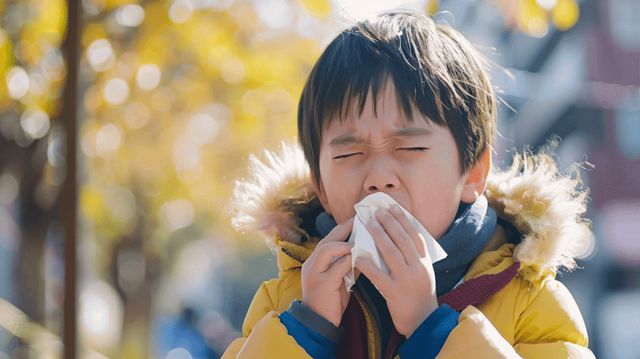


Recently, there has been an increase in respiratory infection cases in mainland China. In addition to the influenza virus, the detection rate of rhinovirus has risen significantly in some regions, making it one of the primary pathogens currently causing respiratory illnesses. The Chinese Center for Disease Control and Prevention (CDC) and medical experts point out that rhinovirus has long coexisted with humans and is the main culprit behind the common cold. Although there are currently no specific treatments or vaccines, there is no need for excessive concern with proper scientific prevention.

What Is Rhinovirus? Not a New Virus

The National CDC recently posted on its official WeChat account that, besides the influenza virus, rhinovirus is currently one of the main pathogens causing respiratory illnesses. Rhinovirus is not a new virus—it was first discovered in 1956 and is named for its ability to thrive in the nasal cavity environment. It is a common respiratory pathogen with over 170 known strains. Globally, about 30% to 50% of common colds are associated with rhinovirus infection. In recent years, the "visibility" of rhinovirus has increased, largely due to advancements in detection technology, making it easier to monitor what was once an "invisible enemy."

Symptom Characteristics: Upper Respiratory Symptoms Prominent, Systemic Symptoms Mild

Compared to influenza and respiratory syncytial virus infections, the core characteristic of rhinovirus infection is the prominence of upper respiratory symptoms, such as nasal congestion, runny nose, and sore throat, while systemic symptoms are relatively mild. Adult patients often experience low-grade or no fever, accompanied by mild coughing. Children are more prone to fever, and infants may refuse to eat due to nasal congestion. Some individuals may also experience vomiting, diarrhea, and other gastrointestinal symptoms.

Transmission Routes and High-Risk Groups

Rhinovirus is highly contagious and primarily spreads through droplets (inhaling droplets from coughing or sneezing) and contact transmission (touching contaminated surfaces and then touching the mouth or nose). All age groups are susceptible, with school-aged children showing higher detection rates. Most healthy individuals recover within 7 to 10 days after infection. However, infants, the elderly, and immunocompromised individuals should remain vigilant, as the virus may lead to lower respiratory tract infections or trigger acute episodes of asthma or chronic obstructive pulmonary disease.

Scientific Prevention: Prevention Over Treatment

Currently, there are no specific treatments or vaccines for rhinovirus. The core of prevention lies in non-pharmaceutical measures and symptomatic care, making daily preventive measures particularly important.

Frequent Handwashing: Use soap or hand sanitizer and wash under running water for at least 20 seconds.

Ventilation: Regularly open windows to ensure indoor air circulation.

Avoid Close Contact with Infected Individuals: Refrain from sharing personal items with patients.

Environmental Cleaning: Disinfect high-contact surfaces such as door handles and tables using 75% alcohol or chlorine-based disinfectants. Allow the disinfectant to sit for 3 to 5 minutes to take effect, and clean 1 to 2 times daily.

Boost Immunity: Eat plenty of fresh fruits and vegetables, maintain a regular sleep schedule, and engage in moderate exercise such as brisk walking or jogging three times a week.

Post-Infection Care and Signs for Medical Attention
Home Care: Rest adequately, stay hydrated, use saline or seawater nasal sprays for nasal congestion, maintain indoor humidity between 50% and 60%, and prioritize physical cooling methods for low-grade fever, such as drinking plenty of water, wiping with warm water, reducing clothing, ensuring indoor air circulation, and applying cold compresses.

Infection Control: Cover the mouth and nose with a tissue when coughing or sneezing, dispose of secretions promptly, dine separately from family members, wear a mask, and avoid cross-infection.

When to Seek Medical Attention: Seek medical help if symptoms such as persistent fever for more than three days, lethargy, shortness of breath, chest tightness, or dehydration in infants occur.

Expert Reminder: Avoid Misuse of Antibiotics

Experts from the Respiratory and Critical Care Medicine Department of Peking University People’s Hospital emphasized to Xinhua News Agency that colds caused by rhinovirus are viral infections, and antibiotics should not be used indiscriminately. If symptoms are significant, medications to relieve nasal congestion or allergies may be used under a doctor’s guidance. However, non-pharmaceutical methods such as rest, hydration, and a light diet are recommended for symptom relief.

Winter is the peak season for respiratory infectious diseases. Rhinovirus infections are common but preventable and manageable. Remember the care mantra: "Rest more, drink more water, ventilate frequently, and avoid spreading." With basic preventive measures, even if infected, most individuals can recover smoothly through scientific care.