


HK biz community's expectations of Xi-Trump meeting at APEC
發佈: 2026-11-12 20:28
撰文: 無綫新聞


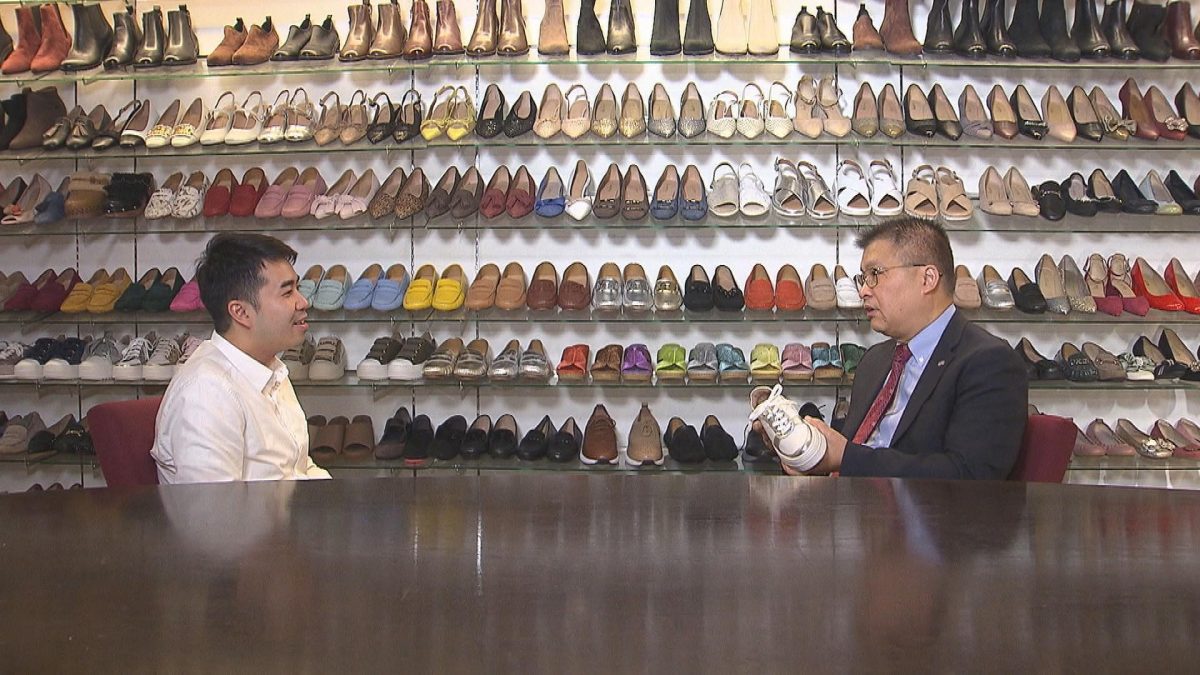
President Xi Jinping and his US counterpart Donald Trump are expected to hold their third meeting of the year on the sidelines of the APEC Economic Leaders' Meeting.
While Hong Kong's business community hopes that would usher in more good news on tariff cuts, the American Chamber of Business in Hong Kong says the summit may not yield much breakthrough this time.
Leung Yat-cheung, a Hong Kong businessman on shoe manufacturing, has multiple factories in the mainland.
He said after US President Donald Trump slapped new tariffs on China last year, his business plunged by more than 30% within a year -- even when they relocated some factories to hedge risks.
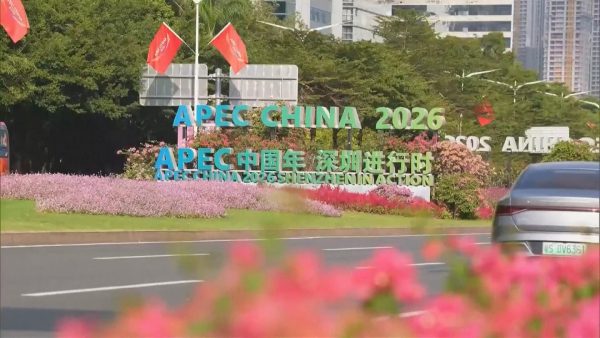
With increasing interactions between the Chinese and US heads of state since late last year, he hopes for more good news after their get-together at next week's APEC Summit in Shenzhen.
Footwear Manufacturer LEUNG YAT-CHEUNG: "Mutual benefit is the most important thing for China and the US because China needs the US -- and the US needs China."
Leung says after the second Xi-Trump meeting, many other products received tariff cuts or exemptions, so he hopes this time -- the exemptions could finally cover footwear products.
Earlier this year, Xi and Trump visited each other with consensus reached during their September meeting including reciprocal tax reduction arrangements worth 30 billion US dollars.
Both agreed to extend their bilateral trade truce until January next year.
But some believe the third meeting between the two leaders this year may not yield much breakthrough.
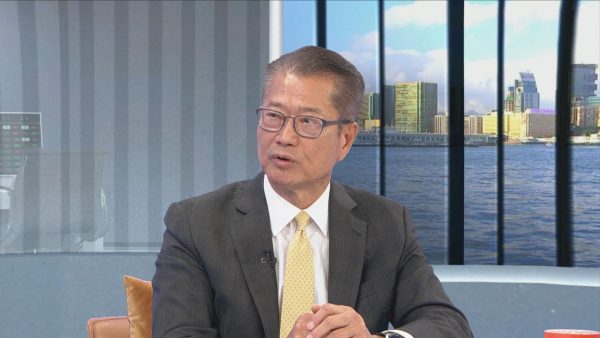
Eden Woon, President of the American Chamber of Commerce in Hong Kong says the last meeting was only six or seven weeks ago, and Washington had already mentioned last time that they are not prepared to discuss thorny issues, such as tech exports.
AmCham President EDEN WOON: "Maybe the Board of Investments can start looking at Chinese investments into the US. But anything beyond that, when it comes to rare earth and when it comes to releasing more high-tech products from the US to China. They touch very quickly on national security. And I just think that those will be pretty difficult to have any breakthrough agreements."
But he says there could be some further consensus on artificial intelligence and more meetings can help maintain strategic stability in relations.
With the Republican Party's major setback in this month's midterm elections, will this lead to more uncertainty for the outcome of the China-US summit?
Woon says while the Democrats' control of Congress might spell some trouble, foreign policy is largely controlled by the executive branch -- meaning the White House.
更多新聞

APEC領導人會議‧深圳|主題曲登場 張靚穎、曾舜晞唱出深圳故事 | 延伸閱讀

深圳灣口岸年內破5000萬客流創新高 構建一小時生活圈 APEC等帶動外國客穩步增長
大國外交|北京:就中俄美元首會晤與相關方保持溝通
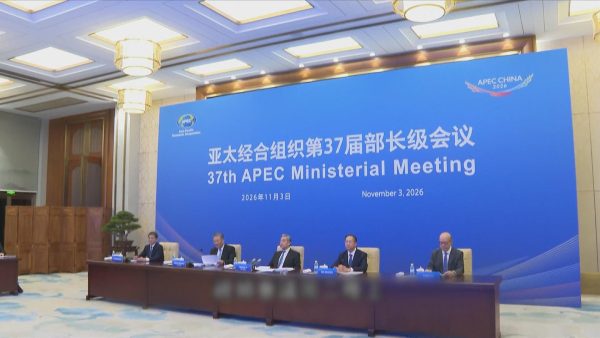
王毅︰要加快推進亞太數智轉型 實現可持續發展
大國外交|北京:以視像方式舉辦APEC外交和貿易雙部長會議
配合APEC會議深圳下周三起全市禁飛 廣東抽調警力確保安全
克里姆林宮證實俄中元首本月深圳會晤
熱門新聞


條款及細則
條款及細則
隨時隨地觀看新聞,立即下載


Copyright 2026 TVB Limited