

- 简
- 繁
- En


Pezeshkian defends peace deal as US sanctions HK firm linked with Iran
發佈: 2026-08-30 21:39
撰文: 無綫新聞


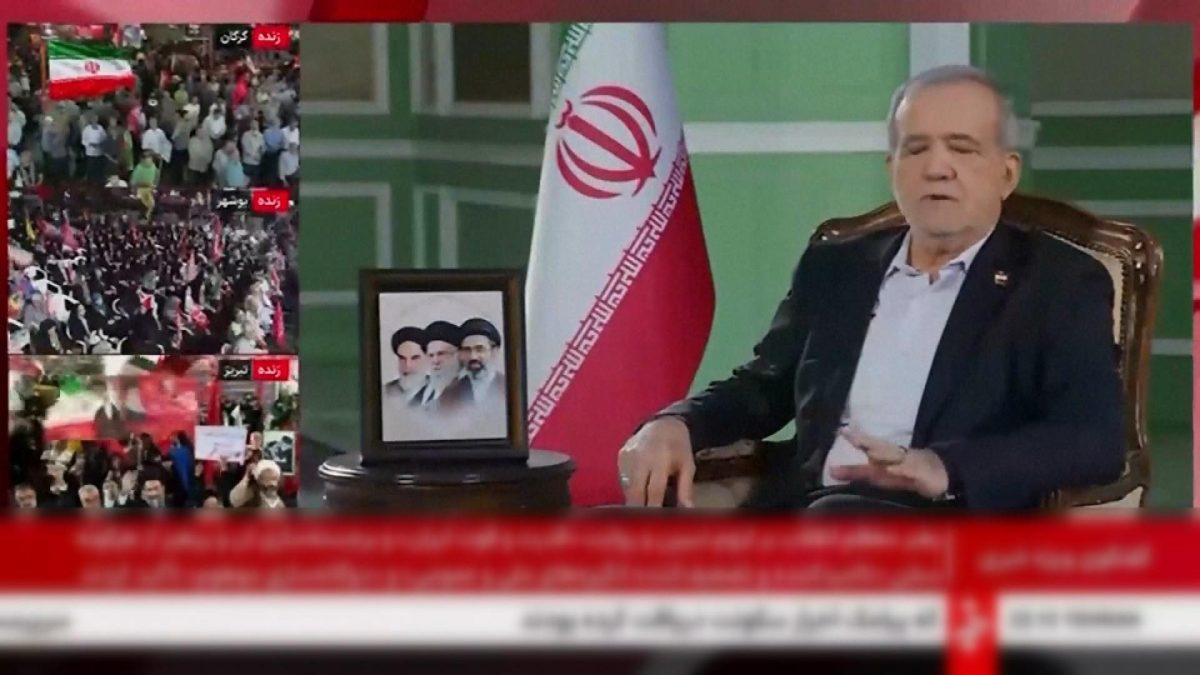
Iranian President Masoud Pezeshkian defends the peace memorandum with the US in a ceremony in capital Tehran, stating it's in the interests of the country, West Asia and the whole world.
Meanwhile, the US Treasury Department has issued sanctions targeting a trading firm based in Hong Kong and a person allegedly linked to Iran's Bank Melli, which escalates its sweeping economic campaign aimed at severing Iran's ties to global financial system. Pezeshkian stresses on Saturday that Iran has never been the party to start the war, and says with the MoU's implementation, the US and Israel will not be able to cause chaos, aggression and insecurity in the region, which will enable Gulf Arab nations to pursue the path of stability and development, according to a statement published by the Iran presidential office.
This as Foreign Minister Abbas Araghchi issues warnings that ongoing "major" efforts will manipulate global energy markets for personal gains and prolong the war.
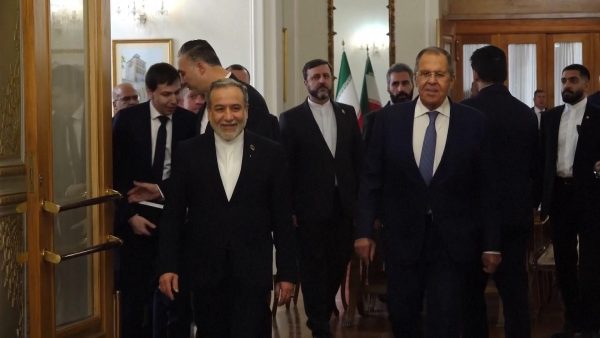
Iran's Deputy Foreign Minsiter Kazem Gharibabadi also points out Tehran is in no rush to open the Strait of Hormuz, which is currently completely closed, citing an understanding recently reached with Oman over the strait. The official underscores the understanding will not enter the execution phase without US fulfilling its obligations.
Separately, Iran's military announces delivering a "decisive" blow to what they call "terrorist" team affiliated with the US and Israel in Sistan and Baluchestan province. One of the team members are killed and six others are arrested, says the Islamic Revolution Guard Corps. Now six months into the war, the Middle East has changed, but not in the way the US and Israel had intended.
Iran has survived the assassination of its Supreme Leader and found leverage in exerting control of the straits while giving no grounds on its nuclear programme. The Trump administration has shifted its focus to increasing economic pressure on Iran and hopes to find a quick end to the conflict seem to be fading.
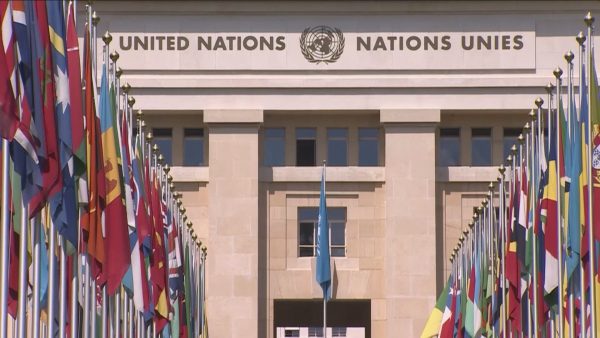
Cautioning the impasse would only deepen the humanitarian crisis endured by civilians and further destabilise global economy, the United Nations on Friday steps up its call on both sides to return to meaningful negotiations through diplomacy. Its chief's spokesperson Stephane Dujarric says a UN task force is still in consultations with relevant parties regarding the mechanism related to the Strait of Hormuz.
更多新聞
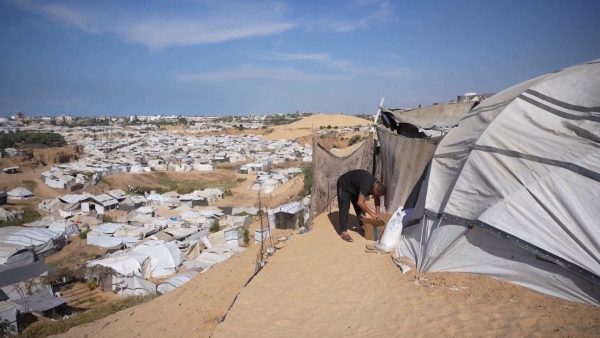
UN slashes Palestinian food aid amid funding shortages

熱門新聞


條款及細則
條款及細則
隨時隨地觀看新聞,立即下載

'%3e%3cpath%20id='路径_2'%20data-name='路径%202'%20d='M579.91,145.916a42.433,42.433,0,1,0,42.528,42.433,41.772,41.772,0,0,0-42.528-42.433m0,68.138a25.8,25.8,0,1,1,23.91-25.705,24.572,24.572,0,0,1-23.91,25.705m-92.9-68.138a42.433,42.433,0,1,0,42.528,42.433,41.772,41.772,0,0,0-42.528-42.433m0,68.138a25.8,25.8,0,1,1,23.911-25.705,24.572,24.572,0,0,1-23.911,25.705m-110.38-55.1v17.956h42.621A37.793,37.793,0,0,1,409.8,199.6a44.037,44.037,0,0,1-33.266,13.135,47.914,47.914,0,0,1,0-95.734,45.836,45.836,0,0,1,32.415,12.854l12.664-12.664a62.75,62.75,0,0,0-45.174-18.144,66.153,66.153,0,1,0,0,131.739,60.2,60.2,0,0,0,45.93-18.9A59.452,59.452,0,0,0,438.154,170.2a58.644,58.644,0,0,0-.946-11.246Zm451.638,14.364a39.409,39.409,0,0,0-36.291-26.933A40.259,40.259,0,0,0,752,188.822a41.49,41.49,0,0,0,42.055,42.432,42.148,42.148,0,0,0,35.344-18.9l-14.459-9.45a24.193,24.193,0,0,1-20.885,11.718,21.546,21.546,0,0,1-20.6-12.852l56.7-23.436ZM770.431,187.5a23.249,23.249,0,0,1,22.21-24.76,16.441,16.441,0,0,1,15.781,9.45Zm-46.023,40.637h18.9V103.577h-18.9Zm-30.525-72.77h-.568a29.385,29.385,0,0,0-22.3-9.449,42.526,42.526,0,0,0,0,85.053,28.908,28.908,0,0,0,22.3-9.449h.663v6.142c0,16.256-8.7,24.854-22.681,24.854a23.431,23.431,0,0,1-21.358-15.12l-16.255,6.71a40.446,40.446,0,0,0,37.8,25.044c21.829,0,40.354-12.853,40.354-44.134V148.468H693.883Zm-21.359,58.594A24.381,24.381,0,0,1,648.9,188.443a24.57,24.57,0,0,1,23.625-25.894,23.909,23.909,0,0,1,22.682,25.894,23.722,23.722,0,0,1-22.682,25.611ZM915.592,103.484H870.985V228.135h18.9V180.883h25.988a38.747,38.747,0,1,0,0-77.4Zm.471,60.1H889.6V120.872h26.461a21.358,21.358,0,1,1,0,42.715m115.012-17.861a34.97,34.97,0,0,0-33.171,18.9l16.539,6.9a17.583,17.583,0,0,1,17.01-9.452,17.958,17.958,0,0,1,19.564,16.066v1.324a41.193,41.193,0,0,0-19.373-4.819c-17.767,0-35.913,9.449-35.913,28.35a28.352,28.352,0,0,0,30.9,27.407,26.277,26.277,0,0,0,23.722-12.191h.661v9.45h17.956v-47.44c-.095-22.115-16.539-34.5-37.9-34.5m-2.268,68.328c-6.047,0-14.552-3.024-14.552-10.585,0-9.45,10.583-13.325,19.751-13.325a33.169,33.169,0,0,1,17.011,4.159,22.588,22.588,0,0,1-22.21,19.751m105.468-65.586-21.357,54.057h-.663l-22.02-54.057H1070.2l33.172,75.6-18.9,42.054h19.374l51.128-117.563ZM966.718,228.135h18.9V103.577h-18.9Zm-840.431-101.5L4.377,4.631A20.131,20.131,0,0,0,.029,18.24V238.72a21.079,21.079,0,0,0,3.4,12.569Zm4.064-3.876,37.8-37.8L25.356,3.214A18.9,18.9,0,0,0,8.912.945Zm89.4-8.695L172.5,87.417l-38.652,39.221,41.3,41.3L219.28,142.8c14.46-7.844,14.46-20.791.472-28.73m-89.4,16.539L7.495,254.974a17.768,17.768,0,0,0,17.768-1.607l144.686-82.219h.566Z'%20fill='%23fff'/%3e%3c/g%3e%3c/svg%3e)


Copyright 2026 TVB Limited