

- 简
- 繁
- En


Both US & Iran say they controlled Strait of Hormuz
發佈: 2026-07-13 18:58
撰文: 無綫新聞


The US and Iran each asserted Monday they controlled the Strait of Hormuz after a weekend of attacks stretching across the wider Middle East, further threatening any diplomacy to end the war.
Meanwhile, family members and senior officials attended the funeral of the late former Emir of Qatar Sheikh Hamad bin Khalifa Al Thani.
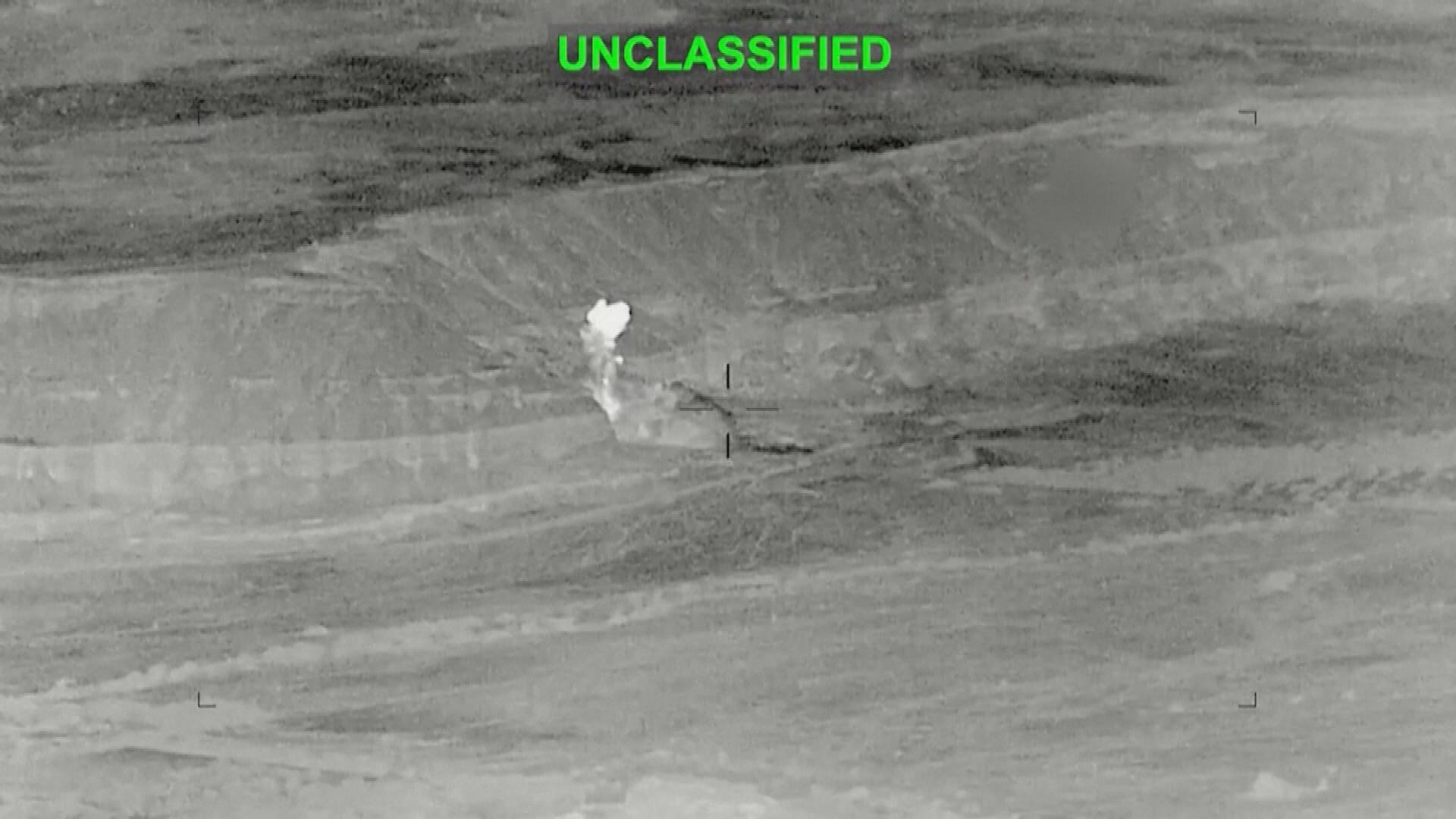
The US military's Central Command described its forces as hitting dozens of sites in the strikes on Iran on Monday, including air defence systems, radar sites, missile and drone equipment and small boats.
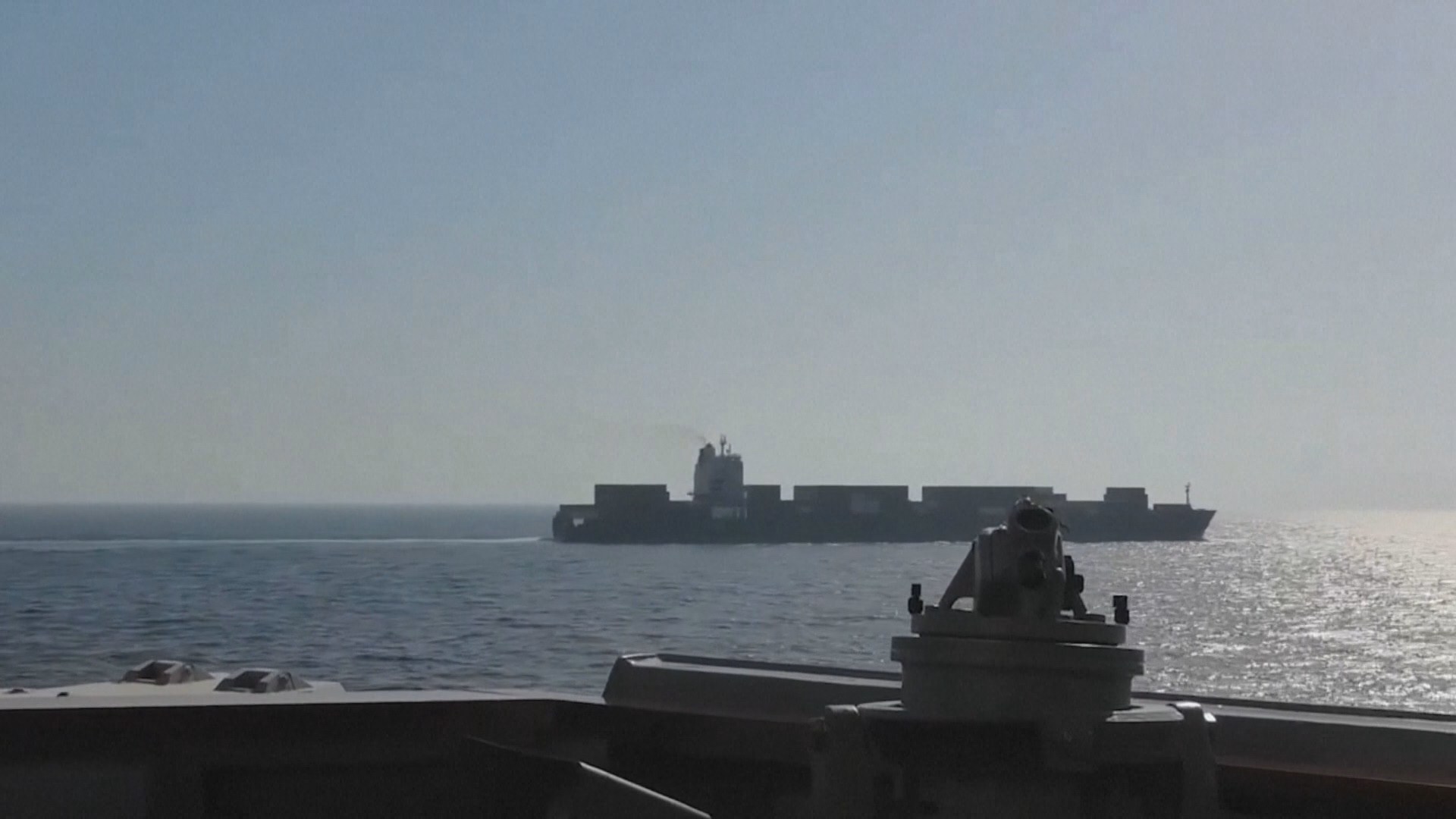
It said "the Strait of Hormuz is a vital maritime corridor for global trade, Iran does not control it."
Iran's paramilitary Revolutionary Guard sharply rejected the US statement. It said the "Strait of Hormuz is Iran's territory, and the country will not allow a rogue and child-killing army from the other side of the world to continue its illegal interference in it."
Missile alert sirens sounded twice Monday in Bahrain, home to the US Navy's 5th Fleet. Kuwait said its air defences are firing as Iran retaliates over the US airstrikes.
Iranian state media acknowledged the latest attacks on its soil early Monday, describing explosions in several locations with at least one person being killed.
Iran and the US are nearly at the midway point of the 60-day period of an interim deal that was supposed to set up talks for a permanent end to the war.
Instead, it has devolved into a series of attacks over the strait and its future, worrying world leaders the Iran war could fully resume.
Meanwhile, family members and senior officials attended the funeral of the late former Emir of Qatar Sheikh Hamad bin Khalifa Al Thani. The state-run Qatar News Agency reported his death. It offered no cause.
Hundreds of mourners gathered at the Imam Muhammad bin Abdul Wahhab Mosque to pay tribute to and bid farewell to the former emir.
Sheikh Hamad, who stepped down in June 2013 after 18 years as emir, was the architect of energy-rich Qatar's stunning ambitions that turned it from a backwater into an international crossroads in less than a generation.
However, Qatar's rise under Sheikh Hamad also rankled regional and Western allies with its independent-minded policymaking, including its close ties to Shiite powerhouse Iran, Hamas and Egypt's outlawed Muslim Brotherhood.
更多新聞


US, Iran confirms reopening of Strait of Hormuz


Global News Highlights from AP
熱門新聞


條款及細則
條款及細則
隨時隨地觀看新聞,立即下載

'%3e%3cpath%20id='路径_2'%20data-name='路径%202'%20d='M579.91,145.916a42.433,42.433,0,1,0,42.528,42.433,41.772,41.772,0,0,0-42.528-42.433m0,68.138a25.8,25.8,0,1,1,23.91-25.705,24.572,24.572,0,0,1-23.91,25.705m-92.9-68.138a42.433,42.433,0,1,0,42.528,42.433,41.772,41.772,0,0,0-42.528-42.433m0,68.138a25.8,25.8,0,1,1,23.911-25.705,24.572,24.572,0,0,1-23.911,25.705m-110.38-55.1v17.956h42.621A37.793,37.793,0,0,1,409.8,199.6a44.037,44.037,0,0,1-33.266,13.135,47.914,47.914,0,0,1,0-95.734,45.836,45.836,0,0,1,32.415,12.854l12.664-12.664a62.75,62.75,0,0,0-45.174-18.144,66.153,66.153,0,1,0,0,131.739,60.2,60.2,0,0,0,45.93-18.9A59.452,59.452,0,0,0,438.154,170.2a58.644,58.644,0,0,0-.946-11.246Zm451.638,14.364a39.409,39.409,0,0,0-36.291-26.933A40.259,40.259,0,0,0,752,188.822a41.49,41.49,0,0,0,42.055,42.432,42.148,42.148,0,0,0,35.344-18.9l-14.459-9.45a24.193,24.193,0,0,1-20.885,11.718,21.546,21.546,0,0,1-20.6-12.852l56.7-23.436ZM770.431,187.5a23.249,23.249,0,0,1,22.21-24.76,16.441,16.441,0,0,1,15.781,9.45Zm-46.023,40.637h18.9V103.577h-18.9Zm-30.525-72.77h-.568a29.385,29.385,0,0,0-22.3-9.449,42.526,42.526,0,0,0,0,85.053,28.908,28.908,0,0,0,22.3-9.449h.663v6.142c0,16.256-8.7,24.854-22.681,24.854a23.431,23.431,0,0,1-21.358-15.12l-16.255,6.71a40.446,40.446,0,0,0,37.8,25.044c21.829,0,40.354-12.853,40.354-44.134V148.468H693.883Zm-21.359,58.594A24.381,24.381,0,0,1,648.9,188.443a24.57,24.57,0,0,1,23.625-25.894,23.909,23.909,0,0,1,22.682,25.894,23.722,23.722,0,0,1-22.682,25.611ZM915.592,103.484H870.985V228.135h18.9V180.883h25.988a38.747,38.747,0,1,0,0-77.4Zm.471,60.1H889.6V120.872h26.461a21.358,21.358,0,1,1,0,42.715m115.012-17.861a34.97,34.97,0,0,0-33.171,18.9l16.539,6.9a17.583,17.583,0,0,1,17.01-9.452,17.958,17.958,0,0,1,19.564,16.066v1.324a41.193,41.193,0,0,0-19.373-4.819c-17.767,0-35.913,9.449-35.913,28.35a28.352,28.352,0,0,0,30.9,27.407,26.277,26.277,0,0,0,23.722-12.191h.661v9.45h17.956v-47.44c-.095-22.115-16.539-34.5-37.9-34.5m-2.268,68.328c-6.047,0-14.552-3.024-14.552-10.585,0-9.45,10.583-13.325,19.751-13.325a33.169,33.169,0,0,1,17.011,4.159,22.588,22.588,0,0,1-22.21,19.751m105.468-65.586-21.357,54.057h-.663l-22.02-54.057H1070.2l33.172,75.6-18.9,42.054h19.374l51.128-117.563ZM966.718,228.135h18.9V103.577h-18.9Zm-840.431-101.5L4.377,4.631A20.131,20.131,0,0,0,.029,18.24V238.72a21.079,21.079,0,0,0,3.4,12.569Zm4.064-3.876,37.8-37.8L25.356,3.214A18.9,18.9,0,0,0,8.912.945Zm89.4-8.695L172.5,87.417l-38.652,39.221,41.3,41.3L219.28,142.8c14.46-7.844,14.46-20.791.472-28.73m-89.4,16.539L7.495,254.974a17.768,17.768,0,0,0,17.768-1.607l144.686-82.219h.566Z'%20fill='%23fff'/%3e%3c/g%3e%3c/svg%3e)


Copyright 2026 Television Broadcasts Limited