
繁

- 简
- 繁
- En


US hits Iranian military sites and Tehran retaliates with air base attack
News
發佈: 2026-06-01 22:01
撰文: 無綫新聞


In their latest duelling attacks, the American military claim they have conducted "self-defense strikes" on military sites in southern Iran on Saturday and Sunday, which are answered by the Iranian forces' air base attack.
The two sides are still locked in a fragile standoff in the Strait of Hormuz which Tehran has had in a chokehold for much of the war.
The US Central Command says it was carrying out new strikes bombing radar and drone command-and-control sites around Iran's Geruk City and Qeshm Island over the weekend.
The Centcom declares on Monday the measures are in response to "aggressive Iranian actions" that include the shootdown of a US MQ-1 Predator armed drone operating over "international waters."
Iran's paramilitary Revolutionary Guard Corps acknowledges launching a barrage of retaliatory strikes on an air base used by the US without specifying where.
Sirens sound over the Kuwait City at dawn and emergency alerts are sent to residents across the Gulf nation that is home to the Mideast forward command for the US Army.
Kuwait says its air defense opened fire to intercept the incoming drone and missile fire early Monday.
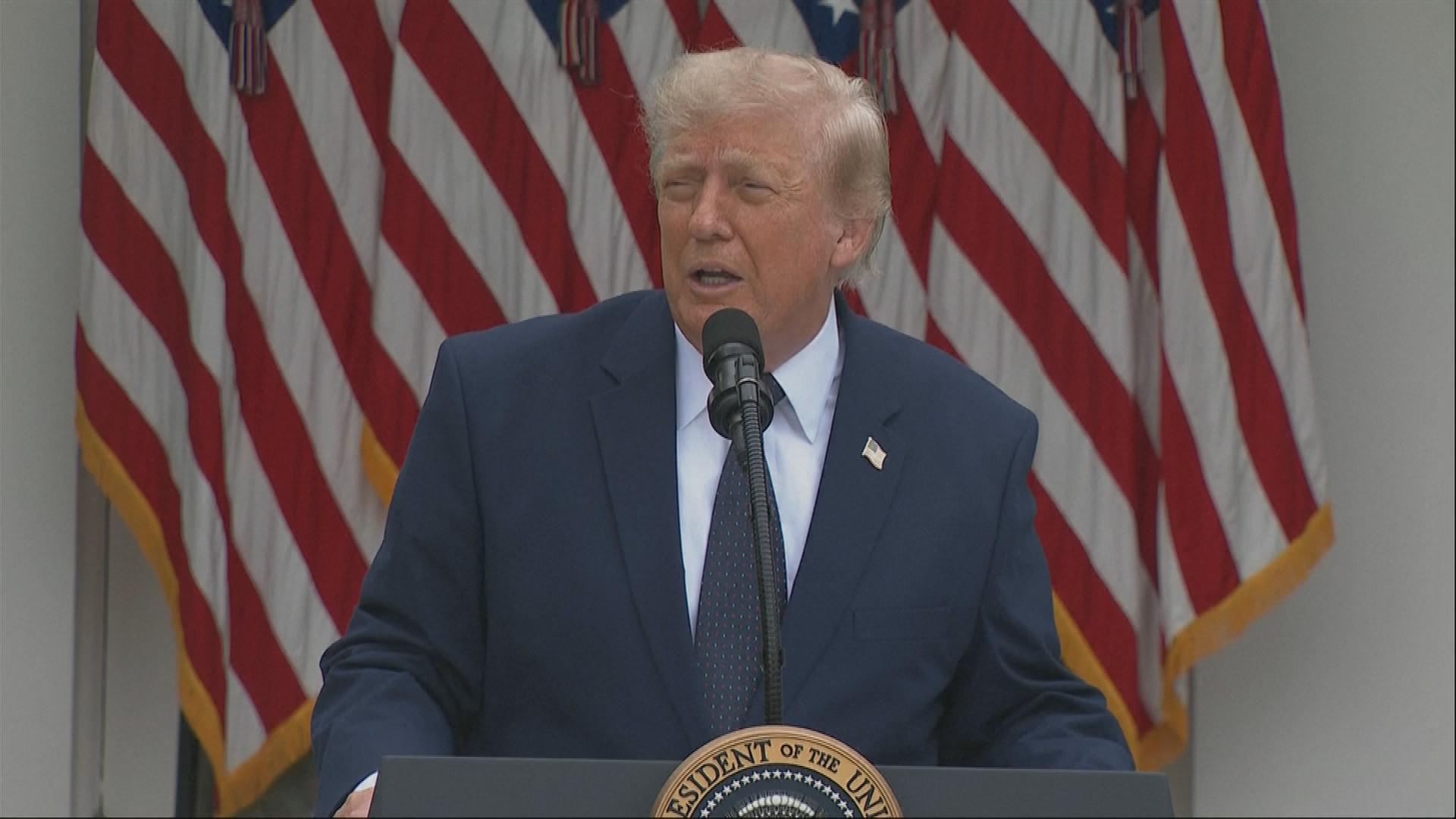
US President Donald Trump, who remains optimistic over the prospects of a peace deal, posts on his Truth Social platform at midnight, saying Iran really wants to make a deal and it will be good for Washington and its allies.
The two countries earlier reached a tentative agreement that would prompt a 60-day memorandum of understanding to extend the ceasefire.
Washington has reportedly amended elements of the draft and sent it back to Tehran.
This as officials indicate Trump has raised concerns over some texts including the release of Iran's frozen assets, and wants tougher terms on its nuclear commitments.
Tehran reacts by saying it will make its own amendments and will only accept a draft deal it agrees to, and adds "nothing is final yet."
Iranian foreign minister Abbas Araghchi tells state TV the country should not "give importance to speculation" and cannot judge the talks until they get a clear result.
Parliament speaker Mohammad Bagher Qalibaf states Iran aims to secure "tangible gains" and pledges not to grant a "blank cheque" to any of the parties involved in the talks, while cautioning about falling into "the trap of protracted, wearisom conficts."
Meanwhile, French President Emmanuel Marcon notes he talked with leaders of Saudi Arabia, Oman, the Emirates and Egypt in hopes that they could help the US and Iran seize the opportunity for a swift peace deal on ceasefire and reopen the Strait of Hormuz "without conditions and in accordance with international law."
The two sides are still locked in a fragile standoff in the Strait of Hormuz which Tehran has had in a chokehold for much of the war.
The US Central Command says it was carrying out new strikes bombing radar and drone command-and-control sites around Iran's Geruk City and Qeshm Island over the weekend.
The Centcom declares on Monday the measures are in response to "aggressive Iranian actions" that include the shootdown of a US MQ-1 Predator armed drone operating over "international waters."
Iran's paramilitary Revolutionary Guard Corps acknowledges launching a barrage of retaliatory strikes on an air base used by the US without specifying where.
Sirens sound over the Kuwait City at dawn and emergency alerts are sent to residents across the Gulf nation that is home to the Mideast forward command for the US Army.
Kuwait says its air defense opened fire to intercept the incoming drone and missile fire early Monday.
US President Donald Trump, who remains optimistic over the prospects of a peace deal, posts on his Truth Social platform at midnight, saying Iran really wants to make a deal and it will be good for Washington and its allies.
The two countries earlier reached a tentative agreement that would prompt a 60-day memorandum of understanding to extend the ceasefire.
Washington has reportedly amended elements of the draft and sent it back to Tehran.
This as officials indicate Trump has raised concerns over some texts including the release of Iran's frozen assets, and wants tougher terms on its nuclear commitments.
Tehran reacts by saying it will make its own amendments and will only accept a draft deal it agrees to, and adds "nothing is final yet."
Iranian foreign minister Abbas Araghchi tells state TV the country should not "give importance to speculation" and cannot judge the talks until they get a clear result.
Parliament speaker Mohammad Bagher Qalibaf states Iran aims to secure "tangible gains" and pledges not to grant a "blank cheque" to any of the parties involved in the talks, while cautioning about falling into "the trap of protracted, wearisom conficts."
Meanwhile, French President Emmanuel Marcon notes he talked with leaders of Saudi Arabia, Oman, the Emirates and Egypt in hopes that they could help the US and Iran seize the opportunity for a swift peace deal on ceasefire and reopen the Strait of Hormuz "without conditions and in accordance with international law."
更多新聞


影片
United States marks 250 years of independence
News2026-07-05


影片
Zelenskyy and Putin hold separate calls with Trump
News2026-07-05
影片
Iran holds state funeral for Khamenei
News2026-07-04

影片
Global news highlights from AP
News2026-07-02
熱門新聞


條款及細則
條款及細則
隨時隨地觀看新聞,立即下載

'%3e%3cpath%20id='路径_2'%20data-name='路径%202'%20d='M579.91,145.916a42.433,42.433,0,1,0,42.528,42.433,41.772,41.772,0,0,0-42.528-42.433m0,68.138a25.8,25.8,0,1,1,23.91-25.705,24.572,24.572,0,0,1-23.91,25.705m-92.9-68.138a42.433,42.433,0,1,0,42.528,42.433,41.772,41.772,0,0,0-42.528-42.433m0,68.138a25.8,25.8,0,1,1,23.911-25.705,24.572,24.572,0,0,1-23.911,25.705m-110.38-55.1v17.956h42.621A37.793,37.793,0,0,1,409.8,199.6a44.037,44.037,0,0,1-33.266,13.135,47.914,47.914,0,0,1,0-95.734,45.836,45.836,0,0,1,32.415,12.854l12.664-12.664a62.75,62.75,0,0,0-45.174-18.144,66.153,66.153,0,1,0,0,131.739,60.2,60.2,0,0,0,45.93-18.9A59.452,59.452,0,0,0,438.154,170.2a58.644,58.644,0,0,0-.946-11.246Zm451.638,14.364a39.409,39.409,0,0,0-36.291-26.933A40.259,40.259,0,0,0,752,188.822a41.49,41.49,0,0,0,42.055,42.432,42.148,42.148,0,0,0,35.344-18.9l-14.459-9.45a24.193,24.193,0,0,1-20.885,11.718,21.546,21.546,0,0,1-20.6-12.852l56.7-23.436ZM770.431,187.5a23.249,23.249,0,0,1,22.21-24.76,16.441,16.441,0,0,1,15.781,9.45Zm-46.023,40.637h18.9V103.577h-18.9Zm-30.525-72.77h-.568a29.385,29.385,0,0,0-22.3-9.449,42.526,42.526,0,0,0,0,85.053,28.908,28.908,0,0,0,22.3-9.449h.663v6.142c0,16.256-8.7,24.854-22.681,24.854a23.431,23.431,0,0,1-21.358-15.12l-16.255,6.71a40.446,40.446,0,0,0,37.8,25.044c21.829,0,40.354-12.853,40.354-44.134V148.468H693.883Zm-21.359,58.594A24.381,24.381,0,0,1,648.9,188.443a24.57,24.57,0,0,1,23.625-25.894,23.909,23.909,0,0,1,22.682,25.894,23.722,23.722,0,0,1-22.682,25.611ZM915.592,103.484H870.985V228.135h18.9V180.883h25.988a38.747,38.747,0,1,0,0-77.4Zm.471,60.1H889.6V120.872h26.461a21.358,21.358,0,1,1,0,42.715m115.012-17.861a34.97,34.97,0,0,0-33.171,18.9l16.539,6.9a17.583,17.583,0,0,1,17.01-9.452,17.958,17.958,0,0,1,19.564,16.066v1.324a41.193,41.193,0,0,0-19.373-4.819c-17.767,0-35.913,9.449-35.913,28.35a28.352,28.352,0,0,0,30.9,27.407,26.277,26.277,0,0,0,23.722-12.191h.661v9.45h17.956v-47.44c-.095-22.115-16.539-34.5-37.9-34.5m-2.268,68.328c-6.047,0-14.552-3.024-14.552-10.585,0-9.45,10.583-13.325,19.751-13.325a33.169,33.169,0,0,1,17.011,4.159,22.588,22.588,0,0,1-22.21,19.751m105.468-65.586-21.357,54.057h-.663l-22.02-54.057H1070.2l33.172,75.6-18.9,42.054h19.374l51.128-117.563ZM966.718,228.135h18.9V103.577h-18.9Zm-840.431-101.5L4.377,4.631A20.131,20.131,0,0,0,.029,18.24V238.72a21.079,21.079,0,0,0,3.4,12.569Zm4.064-3.876,37.8-37.8L25.356,3.214A18.9,18.9,0,0,0,8.912.945Zm89.4-8.695L172.5,87.417l-38.652,39.221,41.3,41.3L219.28,142.8c14.46-7.844,14.46-20.791.472-28.73m-89.4,16.539L7.495,254.974a17.768,17.768,0,0,0,17.768-1.607l144.686-82.219h.566Z'%20fill='%23fff'/%3e%3c/g%3e%3c/svg%3e)


Copyright 2026 Television Broadcasts Limited