


Hard negotiations lie ahead in Israel after Netanyahu’s bloc lost
发布: 2026-10-30 20:40
撰文: 無綫新聞


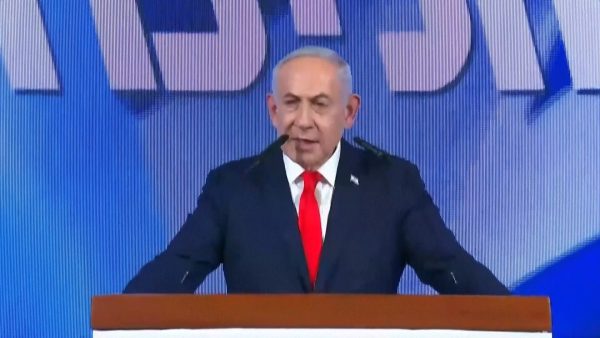
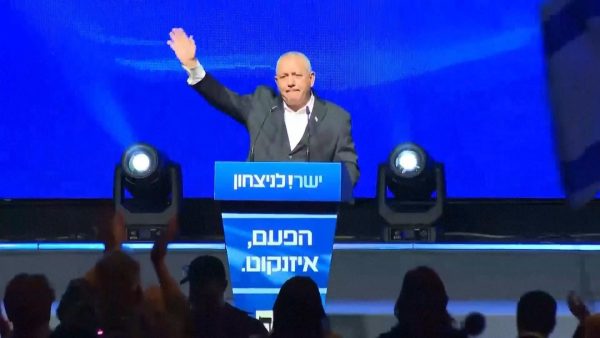
Israel's final election results confirmed Prime Minister Benjamin Netanyahu's bloc lost its majority of parliamentary seats and that weeks of difficult negotiations among very different parties, from ultra-Orthodox Jewish to secular to Arab-led, lie ahead.
The results released early Friday showed Benjamin Netanyahu's bloc won 53 seats in Tuesday's elections. The main opposition bloc won 48. Arab-led parties secured the other 19, a historic showing. Now parties must meet, bargain and seek a way to team up for at least 61 seats in the 120-seat Knesset. Netanyahu, Israel's longest serving prime minister, remains leader.
The election results still need to be certified and submitted to President Isaac Herzog next Wednesday. Herzog will then task someone to form the new government. That could be the leader of the party that received the most votes, Netanyahu, or whoever leaders of the various parties believe is best suited. If multiple attempts to form a government fail, Israel faces a new election early next year. Herzog this week said he will do everything in his power to avoid that scenario.
In the hours before final results were announced, Netanyahu and his Likud party amplified unsubstantiated allegations that Arab-led parties had "stolen" the election, potentially with foreign assistance. The opposition quickly accused Netanyahu of demonising the Arab population, which makes up 20% of the population and showed up at the polls like never before in outrage over Netanyahu's far-right allies like national security minister Itamar Ben-Gvir. His party lost seats. In Netanyahu's first public comment Friday, he posted on X asserting it is forbidden to form a coalition with Arab parties.
The head of Israel's election committee, Supreme Court Justice Noam Sohlberg, had said "serious suspicions" of foreign interference had been brought before him. Israeli media reported members of Netanyahu's party were accusing Qatar a country that many Israelis view as a patron of Hamas, the Gaza-based militant group. Qatar issued a denial, calling the allegations "ridiculous and dangerous." By casting doubt on the vote, Netanyahu appeared to be trying to block any potential alliance between his opponents and the Arab-led parties. Netanyahu has suggested that it would be treasonous for chief rival Gadi Eisenkot or others to join with them.
更多新闻







热门新闻


条款及细则
条款及细则
随时随地观看新闻,立即下载


Copyright 2026 TVB Limited