

- 简
- 繁
- En


Rescue and recovery continues at the mudslide-hit China-Nepal border
发布: 2026-09-02 19:49
撰文: 無綫新聞


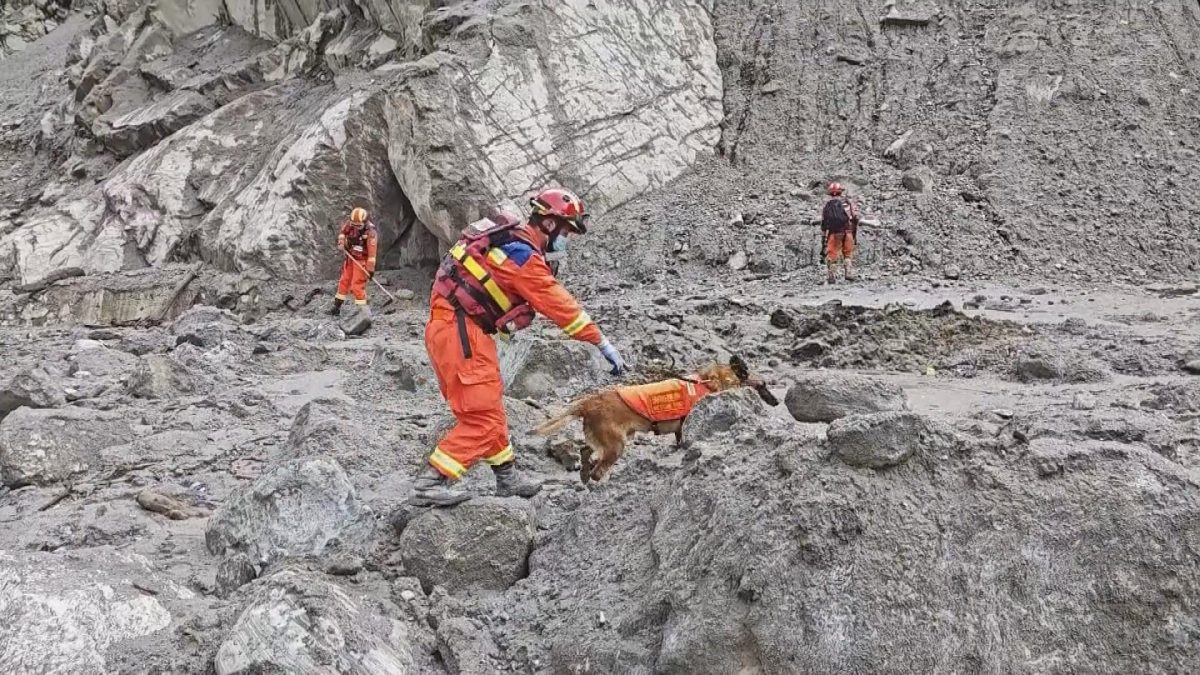
As the rescue and recovery efforts reach its seventh day at the China-Nepal
border following the deadly flash floods that killed more than 1,100
and left over 4,000 missing,
China continues to send aid to the Xizang Autonomous Region, also known as Tibet,
and across the Nepali border.
While expert say its too early to draw direct correlation between the
incident and climate change, there's no doubt the earth's rising temperature
is impacting the Himalayan mountains.
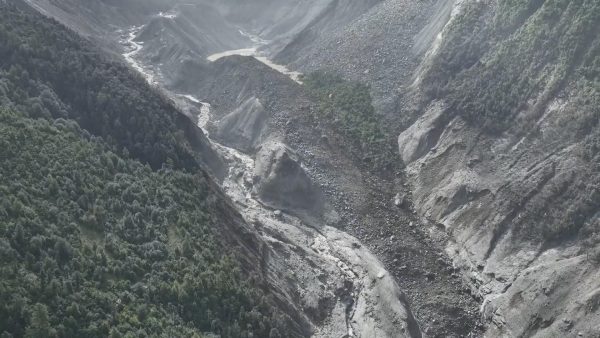
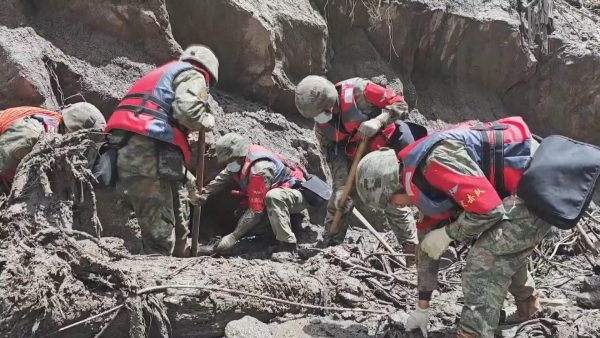
The rescue and relief operation at the mudslide-hit Gyirong Port
in southwest China's Xizang Autonomous Region enters its seventh day
with more personnel and equipment deployed to search for victims,
repair roads, set up communication base stations and restore power lines.
The disaster leaves 546 still missing on the Chinese side,
according to the regional government's latest update.
More than 2,000 personnel have joined the operation
as the search perimeter has been expanded to the banks
of Kyirong Tsangpo River.
About 700 meters of the crucial National Highway G216,
the key land route to the port, remains to be cleared
as of Tuesday afternoon.
A joint barrier lake monitoring group at Gyirong Port
has been formed to conduct round-the-clock surveillance
of the barrier lake dam.
In Shenzhen, emergency aid supplies are rounded up.
This as a second batch of aid materials for Nepal,
including drones, genetic testing equipment, lighting and
water-purification devices made
its way across the border.
At a latest press briefing, Chinese Foreign Ministry Spokesperson
Guo Jiakun says China is preparing a third batch of emergency
relief supplies for Nepal based on the country's needs.
The Nuwakot district in Nepal remains in ruins as
recovery and clean up continues.
While scientists say it's too early to link the incident to global warming,
the Himalayan mountains are especially prone to climate change
as the area tends to warm considerably faster than many other parts of the world.
The floods were triggered after a collapse of bedrock and glacier ice
sent debris and water suring through multiple Himalayan rivers.
更多新闻
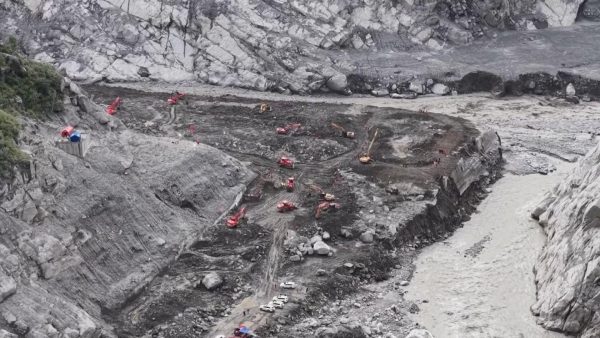
International media visits Gyirong Port disaster site

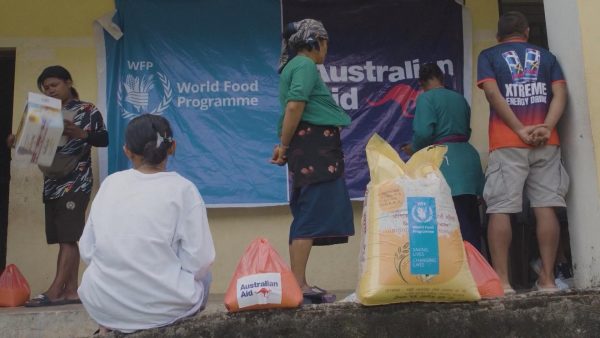
China-Nepal border mudslide death toll tops 1300
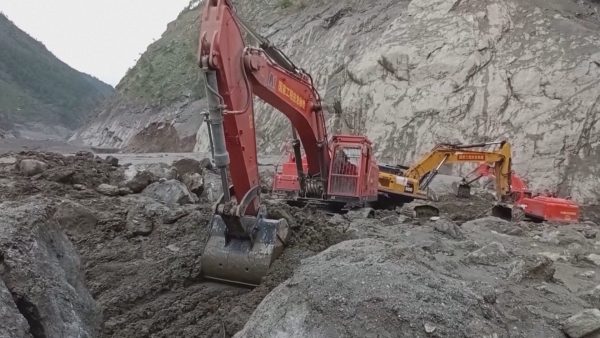
Mudslide barrier lake risks eliminated
Rescue efforts continue in Nepal-China border
热门新闻


条款及细则
条款及细则
随时随地观看新闻,立即下载

'%3e%3cpath%20id='路径_2'%20data-name='路径%202'%20d='M579.91,145.916a42.433,42.433,0,1,0,42.528,42.433,41.772,41.772,0,0,0-42.528-42.433m0,68.138a25.8,25.8,0,1,1,23.91-25.705,24.572,24.572,0,0,1-23.91,25.705m-92.9-68.138a42.433,42.433,0,1,0,42.528,42.433,41.772,41.772,0,0,0-42.528-42.433m0,68.138a25.8,25.8,0,1,1,23.911-25.705,24.572,24.572,0,0,1-23.911,25.705m-110.38-55.1v17.956h42.621A37.793,37.793,0,0,1,409.8,199.6a44.037,44.037,0,0,1-33.266,13.135,47.914,47.914,0,0,1,0-95.734,45.836,45.836,0,0,1,32.415,12.854l12.664-12.664a62.75,62.75,0,0,0-45.174-18.144,66.153,66.153,0,1,0,0,131.739,60.2,60.2,0,0,0,45.93-18.9A59.452,59.452,0,0,0,438.154,170.2a58.644,58.644,0,0,0-.946-11.246Zm451.638,14.364a39.409,39.409,0,0,0-36.291-26.933A40.259,40.259,0,0,0,752,188.822a41.49,41.49,0,0,0,42.055,42.432,42.148,42.148,0,0,0,35.344-18.9l-14.459-9.45a24.193,24.193,0,0,1-20.885,11.718,21.546,21.546,0,0,1-20.6-12.852l56.7-23.436ZM770.431,187.5a23.249,23.249,0,0,1,22.21-24.76,16.441,16.441,0,0,1,15.781,9.45Zm-46.023,40.637h18.9V103.577h-18.9Zm-30.525-72.77h-.568a29.385,29.385,0,0,0-22.3-9.449,42.526,42.526,0,0,0,0,85.053,28.908,28.908,0,0,0,22.3-9.449h.663v6.142c0,16.256-8.7,24.854-22.681,24.854a23.431,23.431,0,0,1-21.358-15.12l-16.255,6.71a40.446,40.446,0,0,0,37.8,25.044c21.829,0,40.354-12.853,40.354-44.134V148.468H693.883Zm-21.359,58.594A24.381,24.381,0,0,1,648.9,188.443a24.57,24.57,0,0,1,23.625-25.894,23.909,23.909,0,0,1,22.682,25.894,23.722,23.722,0,0,1-22.682,25.611ZM915.592,103.484H870.985V228.135h18.9V180.883h25.988a38.747,38.747,0,1,0,0-77.4Zm.471,60.1H889.6V120.872h26.461a21.358,21.358,0,1,1,0,42.715m115.012-17.861a34.97,34.97,0,0,0-33.171,18.9l16.539,6.9a17.583,17.583,0,0,1,17.01-9.452,17.958,17.958,0,0,1,19.564,16.066v1.324a41.193,41.193,0,0,0-19.373-4.819c-17.767,0-35.913,9.449-35.913,28.35a28.352,28.352,0,0,0,30.9,27.407,26.277,26.277,0,0,0,23.722-12.191h.661v9.45h17.956v-47.44c-.095-22.115-16.539-34.5-37.9-34.5m-2.268,68.328c-6.047,0-14.552-3.024-14.552-10.585,0-9.45,10.583-13.325,19.751-13.325a33.169,33.169,0,0,1,17.011,4.159,22.588,22.588,0,0,1-22.21,19.751m105.468-65.586-21.357,54.057h-.663l-22.02-54.057H1070.2l33.172,75.6-18.9,42.054h19.374l51.128-117.563ZM966.718,228.135h18.9V103.577h-18.9Zm-840.431-101.5L4.377,4.631A20.131,20.131,0,0,0,.029,18.24V238.72a21.079,21.079,0,0,0,3.4,12.569Zm4.064-3.876,37.8-37.8L25.356,3.214A18.9,18.9,0,0,0,8.912.945Zm89.4-8.695L172.5,87.417l-38.652,39.221,41.3,41.3L219.28,142.8c14.46-7.844,14.46-20.791.472-28.73m-89.4,16.539L7.495,254.974a17.768,17.768,0,0,0,17.768-1.607l144.686-82.219h.566Z'%20fill='%23fff'/%3e%3c/g%3e%3c/svg%3e)


Copyright 2026 TVB Limited