

- 简
- 繁
- En


Iran says Strait of Hormuz closed after new exchange of fire with US
发布: 2026-07-12 22:23
撰文: 無綫新聞


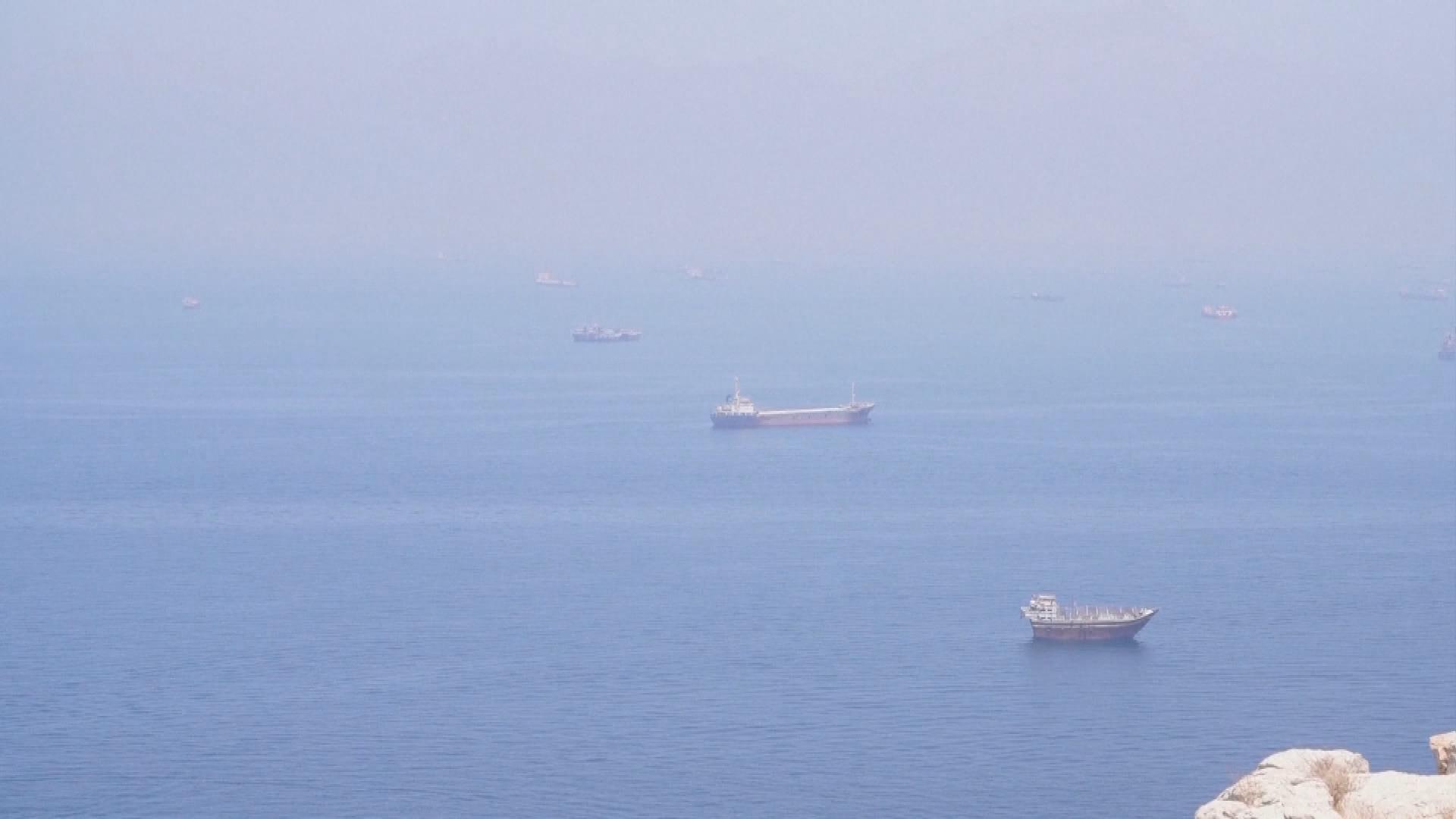
Tehran announces early Sunday the Strait of Hormuz has been closed until the end of US interference in the Middle East after lashing out at a container vessel that attempted to transit through an unapproved route. This as Iranian and US forces renew exchange of heavy missile and drone assaults in the Persian Gulf.
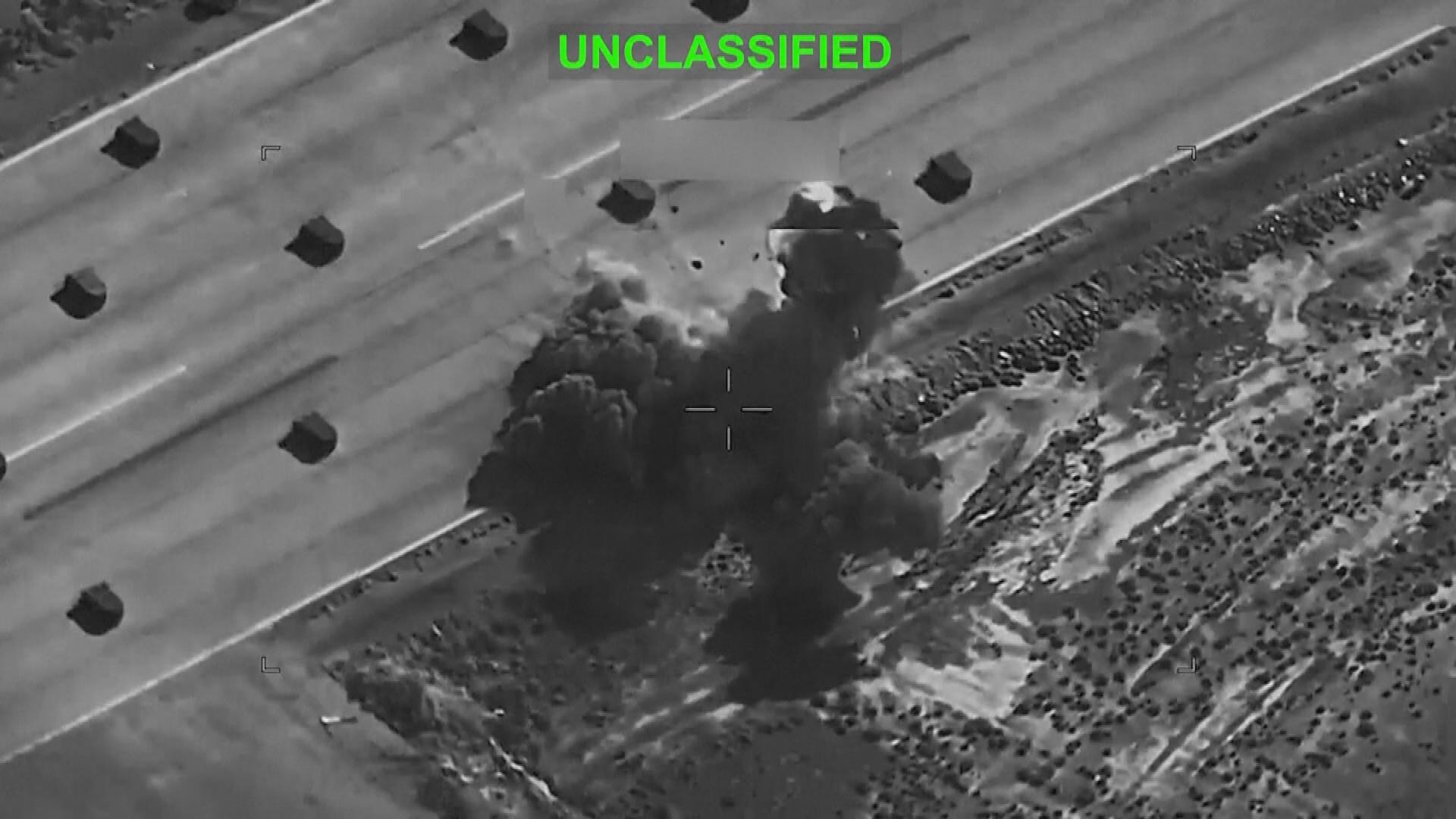
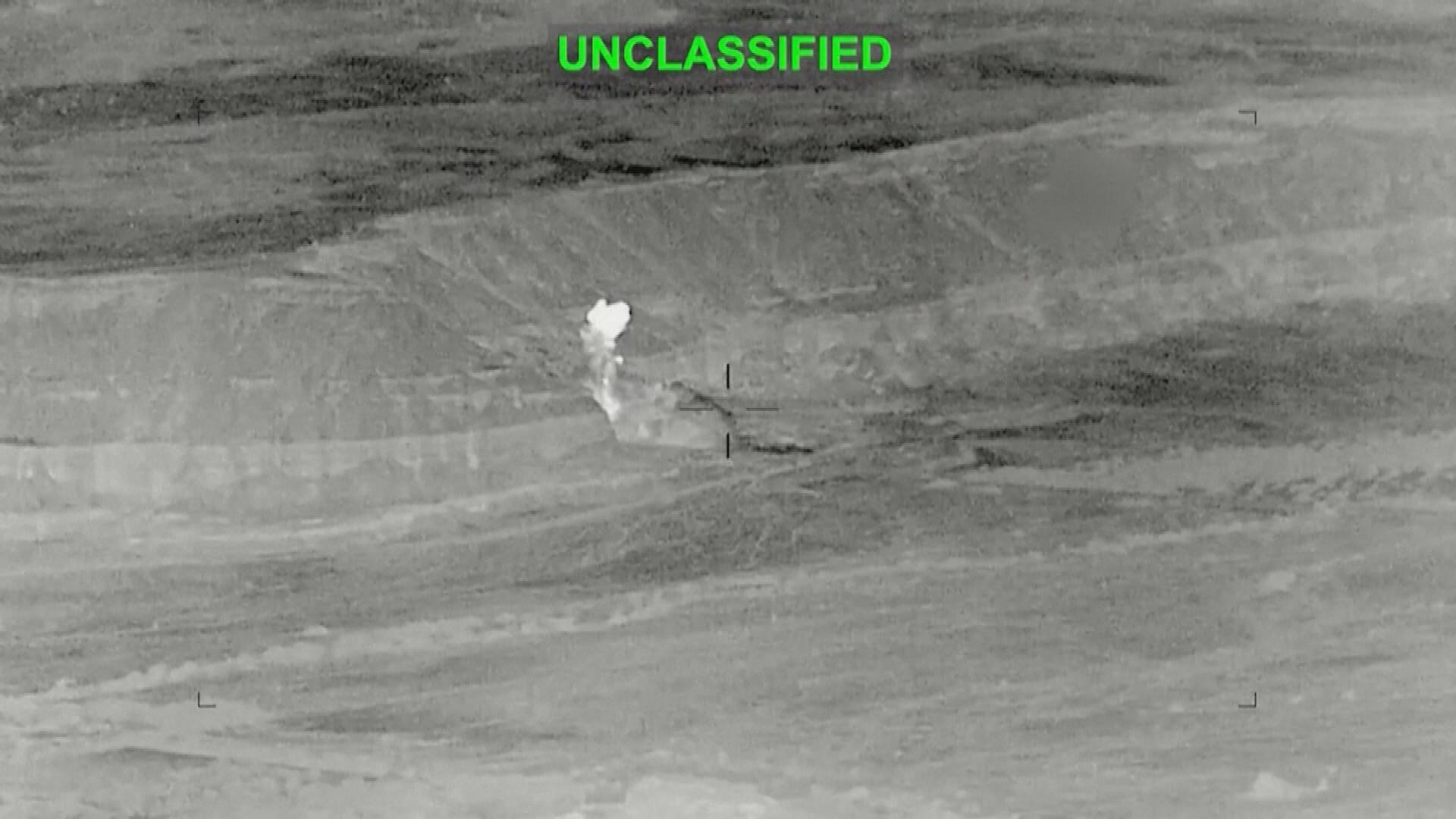
The US military reportedly bombarded approximately 140 Iranian targets across Bandar Abbas, Sirik and other areas along the shores of the Hormuz strait in the third and biggest wave of airstrikes we've seen in recent days as an interim ceasefire memorandum seems more in danger than ever before.
US Central Command says in a statement it targeted missile and drone launch sites, ammunition dumps, communication equipment and other sites during three nights of attacks in a bid to "degrade Iran's ability to attack civilian mariners and commercial vessels freely transiting the strait."
Late Saturday, Iran fired a warning shot at a merchant ship sailing under the flag of Cyprus that travelled in a route hugging the Omani shoreline, which brought it to a stop and caused an onboard fire.
According to authorities, the ship suffered engineroom damage and one Indian crew member went missing.
US Defense Secretary Pete Hegseth writes on X, "Iran made a poor choice. Now they pay." US President Donald Trump has declared the end of the truce agreed earlier in June, though hinting at further negotiations.
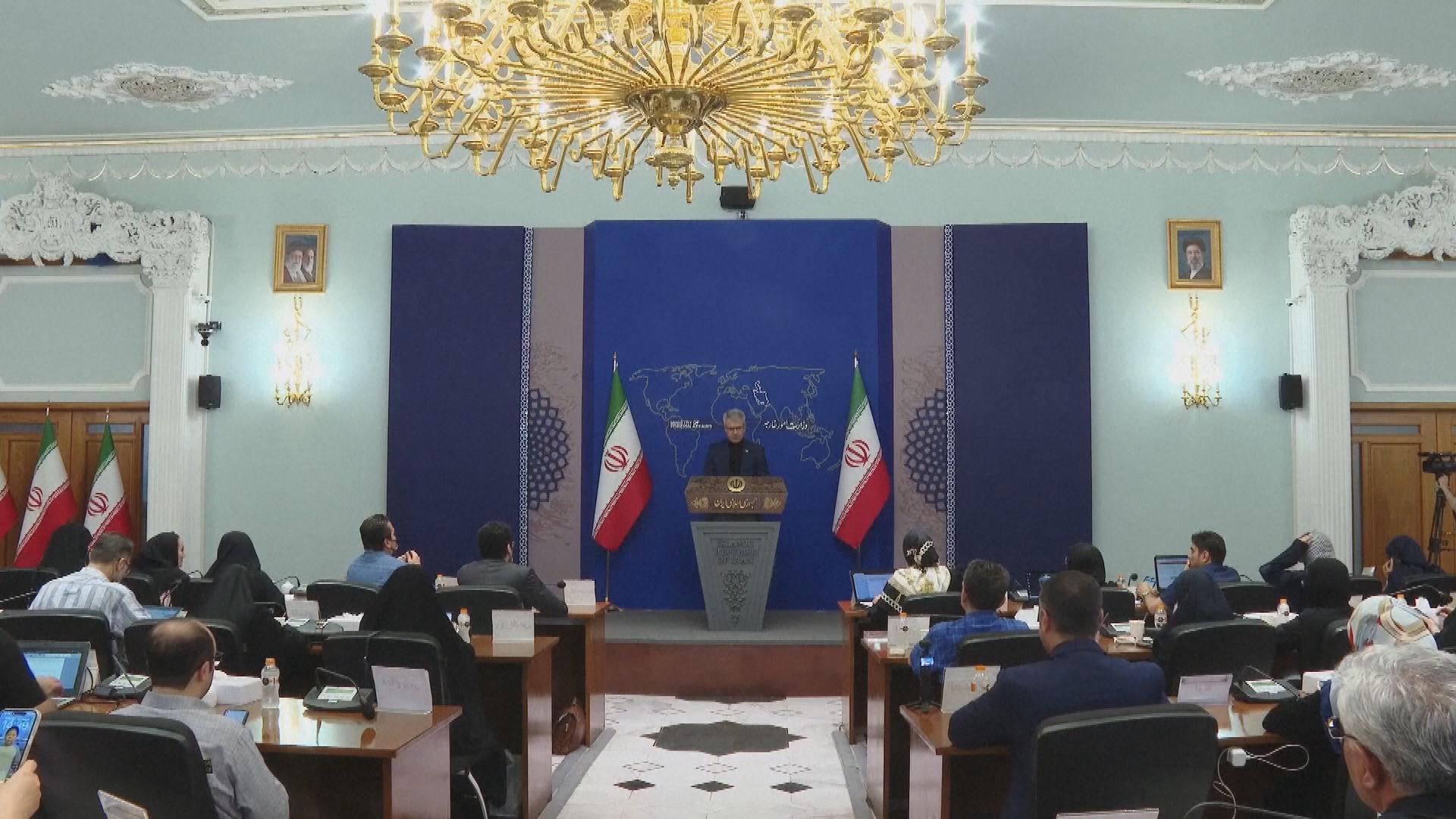
Tehran says on Sunday it conducted a series of retaliatory strikes on US military sites in its Gulf neighbours. Missile alert sirens went off in Qatar, Bahrain and the United Arab Emirates.
Additionally, the Revolutionary Guards Corp announces it is closing the Strait of Hormuz until further notice. Washington has been urging Iran to cease attacks on ships and that all lanes should be open with no tolls.
Jon Gambrell from The Associated Press says: "Now, Iran insists it must have sole control over the strait and be able to charge vessels going through it. That would upend decades of world belief that this is an international waterway despite it being in the territorial waters of both Iran and Oman."
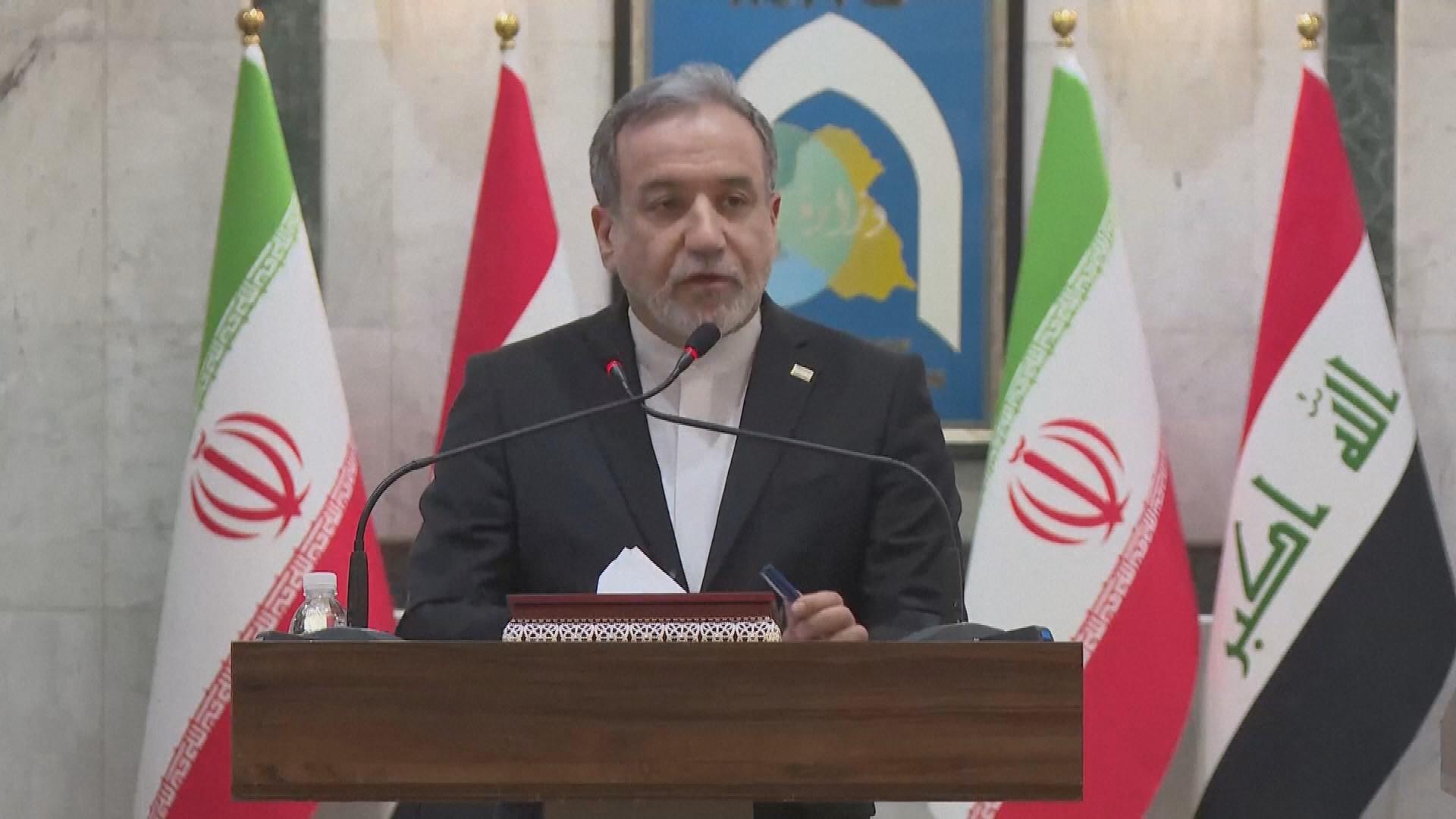
Iranian Foreign Minister Seyed Abbas Araghchi held bilateral talks with his Omani counterpart, Sayyid Badr Albusaidi, in Muscat, on appropriate mechanisms for navigation.
Oman's state news agency reports both sides agree to continue discussions "at the technical and political levels."
更多新闻

US special envoys to meet ceasefire mediators in Qatar


US strike Iranian military facilities
热门新闻


条款及细则
条款及细则
随时随地观看新闻,立即下载

'%3e%3cpath%20id='路径_2'%20data-name='路径%202'%20d='M579.91,145.916a42.433,42.433,0,1,0,42.528,42.433,41.772,41.772,0,0,0-42.528-42.433m0,68.138a25.8,25.8,0,1,1,23.91-25.705,24.572,24.572,0,0,1-23.91,25.705m-92.9-68.138a42.433,42.433,0,1,0,42.528,42.433,41.772,41.772,0,0,0-42.528-42.433m0,68.138a25.8,25.8,0,1,1,23.911-25.705,24.572,24.572,0,0,1-23.911,25.705m-110.38-55.1v17.956h42.621A37.793,37.793,0,0,1,409.8,199.6a44.037,44.037,0,0,1-33.266,13.135,47.914,47.914,0,0,1,0-95.734,45.836,45.836,0,0,1,32.415,12.854l12.664-12.664a62.75,62.75,0,0,0-45.174-18.144,66.153,66.153,0,1,0,0,131.739,60.2,60.2,0,0,0,45.93-18.9A59.452,59.452,0,0,0,438.154,170.2a58.644,58.644,0,0,0-.946-11.246Zm451.638,14.364a39.409,39.409,0,0,0-36.291-26.933A40.259,40.259,0,0,0,752,188.822a41.49,41.49,0,0,0,42.055,42.432,42.148,42.148,0,0,0,35.344-18.9l-14.459-9.45a24.193,24.193,0,0,1-20.885,11.718,21.546,21.546,0,0,1-20.6-12.852l56.7-23.436ZM770.431,187.5a23.249,23.249,0,0,1,22.21-24.76,16.441,16.441,0,0,1,15.781,9.45Zm-46.023,40.637h18.9V103.577h-18.9Zm-30.525-72.77h-.568a29.385,29.385,0,0,0-22.3-9.449,42.526,42.526,0,0,0,0,85.053,28.908,28.908,0,0,0,22.3-9.449h.663v6.142c0,16.256-8.7,24.854-22.681,24.854a23.431,23.431,0,0,1-21.358-15.12l-16.255,6.71a40.446,40.446,0,0,0,37.8,25.044c21.829,0,40.354-12.853,40.354-44.134V148.468H693.883Zm-21.359,58.594A24.381,24.381,0,0,1,648.9,188.443a24.57,24.57,0,0,1,23.625-25.894,23.909,23.909,0,0,1,22.682,25.894,23.722,23.722,0,0,1-22.682,25.611ZM915.592,103.484H870.985V228.135h18.9V180.883h25.988a38.747,38.747,0,1,0,0-77.4Zm.471,60.1H889.6V120.872h26.461a21.358,21.358,0,1,1,0,42.715m115.012-17.861a34.97,34.97,0,0,0-33.171,18.9l16.539,6.9a17.583,17.583,0,0,1,17.01-9.452,17.958,17.958,0,0,1,19.564,16.066v1.324a41.193,41.193,0,0,0-19.373-4.819c-17.767,0-35.913,9.449-35.913,28.35a28.352,28.352,0,0,0,30.9,27.407,26.277,26.277,0,0,0,23.722-12.191h.661v9.45h17.956v-47.44c-.095-22.115-16.539-34.5-37.9-34.5m-2.268,68.328c-6.047,0-14.552-3.024-14.552-10.585,0-9.45,10.583-13.325,19.751-13.325a33.169,33.169,0,0,1,17.011,4.159,22.588,22.588,0,0,1-22.21,19.751m105.468-65.586-21.357,54.057h-.663l-22.02-54.057H1070.2l33.172,75.6-18.9,42.054h19.374l51.128-117.563ZM966.718,228.135h18.9V103.577h-18.9Zm-840.431-101.5L4.377,4.631A20.131,20.131,0,0,0,.029,18.24V238.72a21.079,21.079,0,0,0,3.4,12.569Zm4.064-3.876,37.8-37.8L25.356,3.214A18.9,18.9,0,0,0,8.912.945Zm89.4-8.695L172.5,87.417l-38.652,39.221,41.3,41.3L219.28,142.8c14.46-7.844,14.46-20.791.472-28.73m-89.4,16.539L7.495,254.974a17.768,17.768,0,0,0,17.768-1.607l144.686-82.219h.566Z'%20fill='%23fff'/%3e%3c/g%3e%3c/svg%3e)


Copyright 2026 Television Broadcasts Limited