

- 简
- 繁
- En


Australia’s Bushfires in the Year of the Red Horse | Behind the Wig
发布: 2026-03-16 07:00
撰文: 大律師 / Barristers


Kim M Rooney
The Year of the Red Horse has just begun. This is a fire year of awakening, opportunity, energy and transformation requiring thoughtfulness to ensure balance.
Our ancestors’ use of fire is considered by many scientists to have been a key element in human evolution, enabling a higher calorie diet, supporting the development of humans’ brains, enhancing social relationships, and providing protection. However, fire has always posed hazards to humans as well as providing benefits.
Fire is not generally the friend of nature in Hong Kong. Hong Kong’s hill fires are caused by weather in autumn and winter, such as lower humidity and limited rainfall and by humans including grave‑sweeping activities, especially around the Ching Ming Festival (which is approaching) and Chung Yeung Festival, when joss sticks and offerings may not be fully extinguished.
By contrast in Australia (my homeland) which is geologically the world’s oldest continent, fire is essential for the survival and regeneration of the native ecosystems, both fauna and flora, including for seed germination, nutrient release and ecological health and biodiversity. Indigenous Australians (the first Australians), managed bushfires for thousands of years. Their fire management practices have been adopted and adapted in many parts of Australia.
Although Australia is the 6th largest country in world (with approximately 80% of the land area of China), much of it is arid and it has approximately 2% of China’s population. Most Australians live in coastal cities or areas with temperate, semi-tropical or tropical climates.
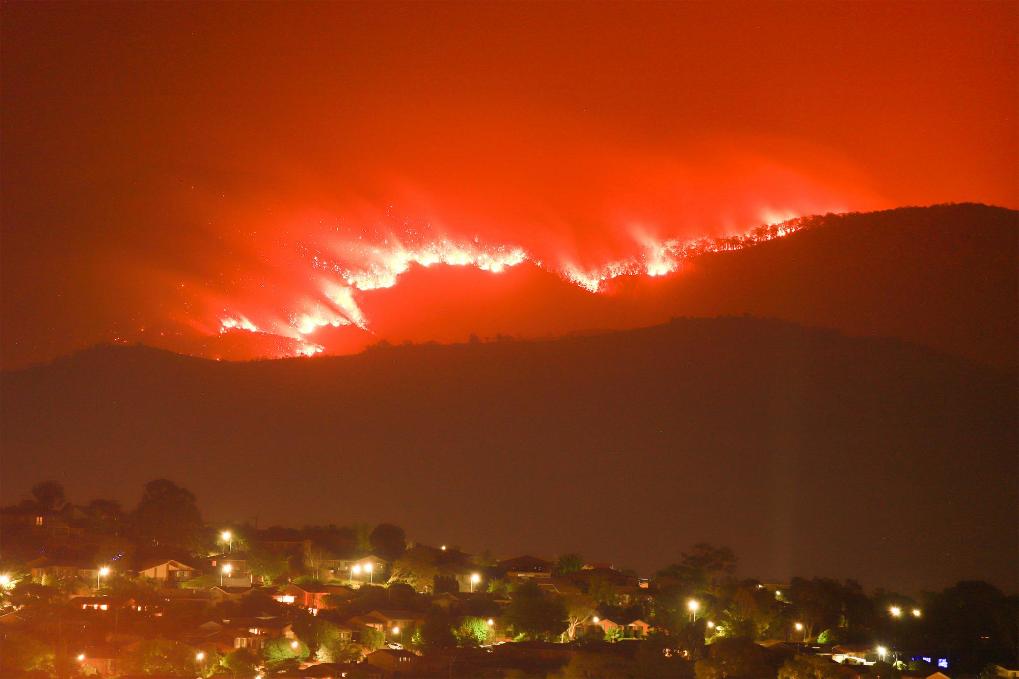
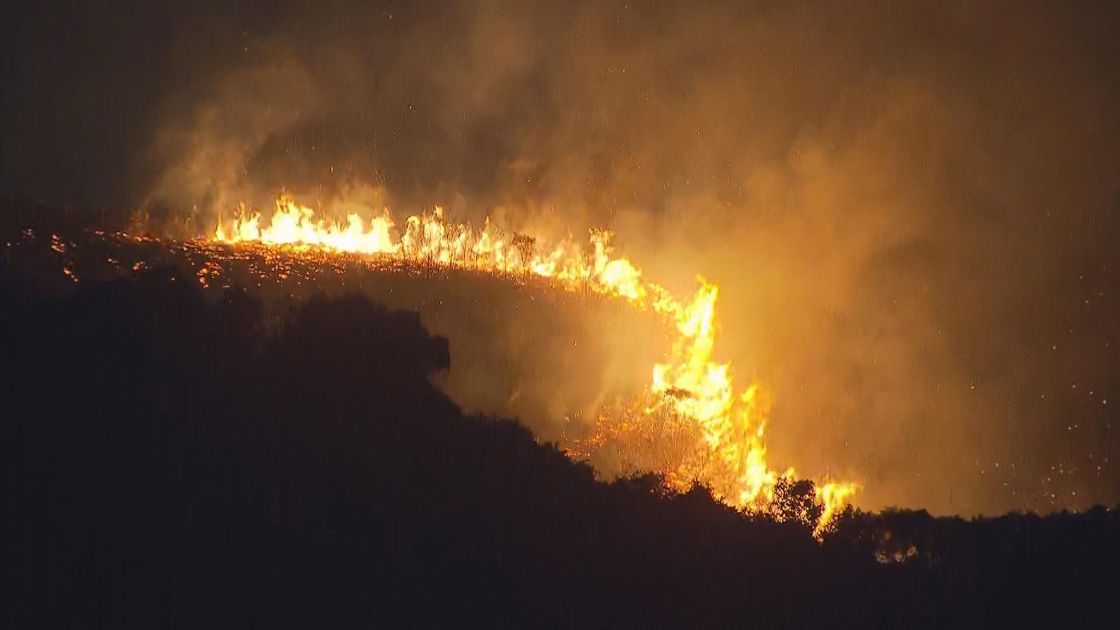
In recent decades there have been more uncontrolled fires in Australia impacting on populated areas because of the expansion of Australia’s sprawling cities into bushland areas, and also because of increasingly fire-friendly weather (e.g. drought and dry vegetation (fuel), very hot weather, low humidity, strong winds and lightning strikes). Bushfires are also occasionally started by humans, whether due to negligence or occasionally by arsonists.
Australian bushfires can have a huge impact on Australia’s people, wildlife, vegetation and the economy. Lives have been lost by both humans and animals and ecosystems severely damaged, as well as temporary poor air quality, which affects health of humans and animals and can impact on soil and water/destruction of ecosystems. Homes have been destroyed, with a reduced possibility of rebuilding, due to the reduced availability and higher price of insurance, as well as concerns about repeat fires. Some areas vulnerable to fires find themselves experiencing floods as well as fires, which, among other problems, can lead to more fires later due to the increase in vegetation during wet years that later dries out.
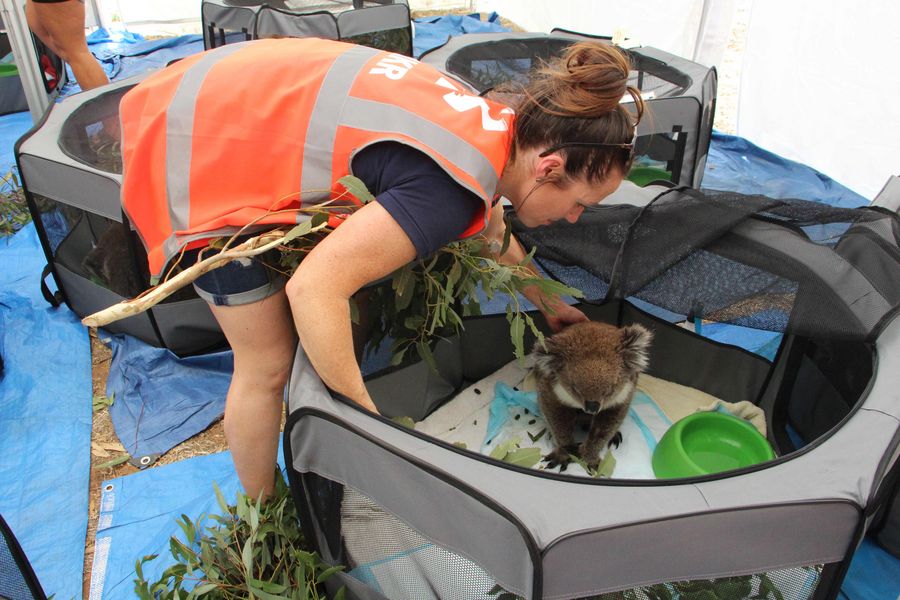
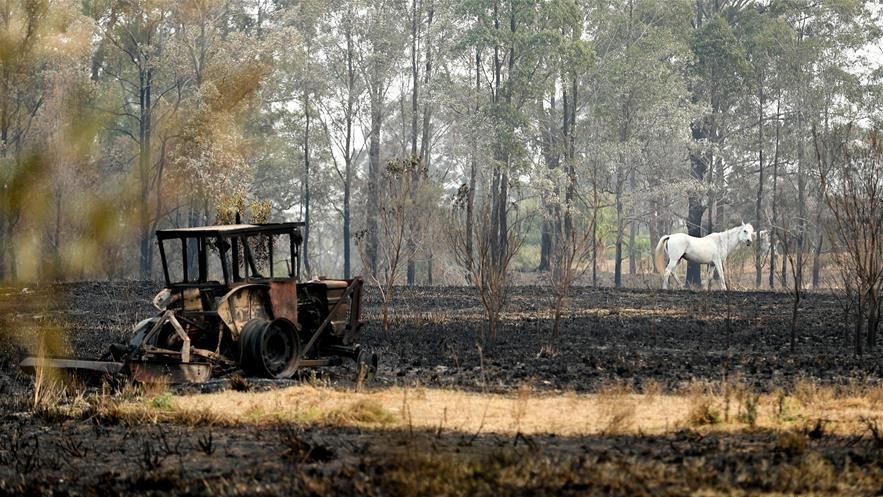
For example, the 2019-2020 fires in the Australian states of Victoria and New South Wales (“NSW”), known as the “Black Summer,” were estimated to have caused the economy a loss of at least AU$100 billion (HK$550.4 billion). The Black Summer fires are estimated to have burned more than 12.6 million hectares (some reports say even more) and led to the direct deaths of 33 people and further around 450 people due to smoke inhalation. An estimated 3 billion animals were killed or displaced, including 143 million mammals, 2.46 billion reptiles, 180 million birds, and 51 million frogs with around 60,000 koalas being affected.
Fortunately, regeneration after Black Summer over the last 6 years has been strong; many species returning to burnt land, with strong recovery by many small mammals and threatened species and strong vegetation regrowth after increased rainfall. Among other factors, burnt areas provided a refuge for survival and recolonization and there has been substantial government funding of recovery efforts.
There is a continuing national conversation in Australia about how to adjust to, and manage, the increased risk of bushfires. Australians know that much of Australia’s environment needs bushfires for survival and to thrive, but how to balance the essential role of fire with Australia’s spreading cities and the change in weather patterns is still a work in progress.
Ms. Kim M Rooney is a Council Member of the Hong Kong Bar Association (“HKBA”). She also chairs the HKBA’s Arbitration Committee and is a Member of its Construction Law Committee. She practises as an international arbitrator and barrister focusing on arbitration in the aviation, commercial, construction, energy, finance (including cryptocurrency), infrastructure, information, communications and technology, IPR, and investment sectors.


Behind the Wig is a weekly legal column written by practicing barristers specialising in criminal, civil, and commercial law. Drawing on their legal expertise and practical experience, or sharing their observations and insights as barristers, they analyse social issues, encourage readers to interpret everyday matters through a legal mindset, and promote the spirit of the rule of law.
The views expressed in this article are the author’s own and do not reflect TVB’s editorial stance.
更多新闻
热门新闻


条款及细则
条款及细则
随时随地观看新闻,立即下载

'%3e%3cpath%20id='路径_2'%20data-name='路径%202'%20d='M579.91,145.916a42.433,42.433,0,1,0,42.528,42.433,41.772,41.772,0,0,0-42.528-42.433m0,68.138a25.8,25.8,0,1,1,23.91-25.705,24.572,24.572,0,0,1-23.91,25.705m-92.9-68.138a42.433,42.433,0,1,0,42.528,42.433,41.772,41.772,0,0,0-42.528-42.433m0,68.138a25.8,25.8,0,1,1,23.911-25.705,24.572,24.572,0,0,1-23.911,25.705m-110.38-55.1v17.956h42.621A37.793,37.793,0,0,1,409.8,199.6a44.037,44.037,0,0,1-33.266,13.135,47.914,47.914,0,0,1,0-95.734,45.836,45.836,0,0,1,32.415,12.854l12.664-12.664a62.75,62.75,0,0,0-45.174-18.144,66.153,66.153,0,1,0,0,131.739,60.2,60.2,0,0,0,45.93-18.9A59.452,59.452,0,0,0,438.154,170.2a58.644,58.644,0,0,0-.946-11.246Zm451.638,14.364a39.409,39.409,0,0,0-36.291-26.933A40.259,40.259,0,0,0,752,188.822a41.49,41.49,0,0,0,42.055,42.432,42.148,42.148,0,0,0,35.344-18.9l-14.459-9.45a24.193,24.193,0,0,1-20.885,11.718,21.546,21.546,0,0,1-20.6-12.852l56.7-23.436ZM770.431,187.5a23.249,23.249,0,0,1,22.21-24.76,16.441,16.441,0,0,1,15.781,9.45Zm-46.023,40.637h18.9V103.577h-18.9Zm-30.525-72.77h-.568a29.385,29.385,0,0,0-22.3-9.449,42.526,42.526,0,0,0,0,85.053,28.908,28.908,0,0,0,22.3-9.449h.663v6.142c0,16.256-8.7,24.854-22.681,24.854a23.431,23.431,0,0,1-21.358-15.12l-16.255,6.71a40.446,40.446,0,0,0,37.8,25.044c21.829,0,40.354-12.853,40.354-44.134V148.468H693.883Zm-21.359,58.594A24.381,24.381,0,0,1,648.9,188.443a24.57,24.57,0,0,1,23.625-25.894,23.909,23.909,0,0,1,22.682,25.894,23.722,23.722,0,0,1-22.682,25.611ZM915.592,103.484H870.985V228.135h18.9V180.883h25.988a38.747,38.747,0,1,0,0-77.4Zm.471,60.1H889.6V120.872h26.461a21.358,21.358,0,1,1,0,42.715m115.012-17.861a34.97,34.97,0,0,0-33.171,18.9l16.539,6.9a17.583,17.583,0,0,1,17.01-9.452,17.958,17.958,0,0,1,19.564,16.066v1.324a41.193,41.193,0,0,0-19.373-4.819c-17.767,0-35.913,9.449-35.913,28.35a28.352,28.352,0,0,0,30.9,27.407,26.277,26.277,0,0,0,23.722-12.191h.661v9.45h17.956v-47.44c-.095-22.115-16.539-34.5-37.9-34.5m-2.268,68.328c-6.047,0-14.552-3.024-14.552-10.585,0-9.45,10.583-13.325,19.751-13.325a33.169,33.169,0,0,1,17.011,4.159,22.588,22.588,0,0,1-22.21,19.751m105.468-65.586-21.357,54.057h-.663l-22.02-54.057H1070.2l33.172,75.6-18.9,42.054h19.374l51.128-117.563ZM966.718,228.135h18.9V103.577h-18.9Zm-840.431-101.5L4.377,4.631A20.131,20.131,0,0,0,.029,18.24V238.72a21.079,21.079,0,0,0,3.4,12.569Zm4.064-3.876,37.8-37.8L25.356,3.214A18.9,18.9,0,0,0,8.912.945Zm89.4-8.695L172.5,87.417l-38.652,39.221,41.3,41.3L219.28,142.8c14.46-7.844,14.46-20.791.472-28.73m-89.4,16.539L7.495,254.974a17.768,17.768,0,0,0,17.768-1.607l144.686-82.219h.566Z'%20fill='%23fff'/%3e%3c/g%3e%3c/svg%3e)


Copyright 2026 TVB Limited