


Health chief on drug formulary, community pharmacy & ICH
publish: 2026-11-29 19:36
By: 無綫新聞


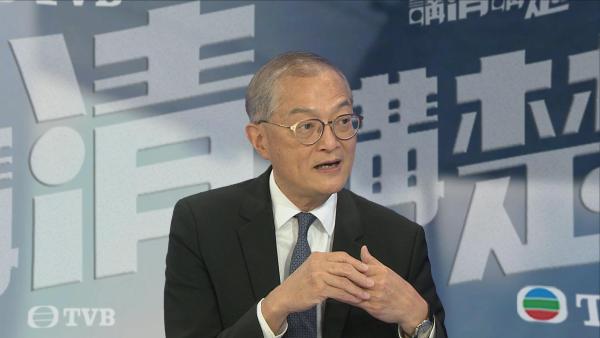
With the introduction of the community drug formulary, Hong Kong is moving to slash prescription drug costs for chronic disease patients. Speaking with Secretary for Health Lo Chung-mau, TVB News taps his views on how the new measures will benefit patients.
The community drug formulary under the government's Chronic Disease Co-Care Pilot Scheme currently covers around 151 items of medication. Speaking with TVB News, Secretary for Health Lo Chung-mau says authorities are consolidating bulk procurement to drive down medication costs across the primary healthcare system.
Secretary for Health Dr. LO CHUNG-MAU: "With the government's effort in trying to consolidate our procurement power, our tender power and controlling the price, we are able to offer these medications at a price of about one third or maybe even one tenth of the original price."
Authorities plan to expand that list to over 200 drugs within three years - and eventually up to 400, including multiple generations of medication targeting Hepatitis B. Lo says patients will receive a 200-dollar annual drug subsidy typically enough to cover two standard chronic medications and can also tap into their Elderly Health Care Vouchers for added flexibility.
And patients managing conditions like diabetes and hypertension are increasingly being routed to community pharmacies. But the pharmacies' initial rollout has drawn mostly major retail chains, Lo says the tendering process is open to independent operators, provided they meet strict clinical standards. The pilot is gradually scaling up from four districts to a citywide network.
Hong Kong was recently admitted as a regulatory member of ICH, or the International Council for Harmonisation of Technical Requirements for Pharmaceuticals for Human Use.
(Reporter: We know Hong Kong is the newly minted regulatory member of ICH ahead of schedule as well. As impressive as this international stature might sound, how is it going to benefit our regular citizens in Hong Kong?)
LO CHUNG-MAU: "ICH is like the United Nations for all these regulatory bodies and the fact that Hong Kong is admitted as a regulatory member in a very short time speaks for our quality of our R&D, as well as the approval and registration system. We are hoping that with our successful application as a regulatory member, more pharmaceutical companies, more researchers will be interested in conducting clinical trial and then have drugs - advanced drugs - registered in Hong Kong."
More News
HKU screens inmates for Hep C at Stanley Prison

Trending News


Terms and Conditions
Terms and Conditions
Watch news anytime, anywhere. Download now.


Copyright 2026 TVB Limited