

- 简
- 繁
- En


Flavio Bolsonaro refuses to concede defeat in Brazil election
publish: 2026-10-26 21:57
By: 無綫新聞


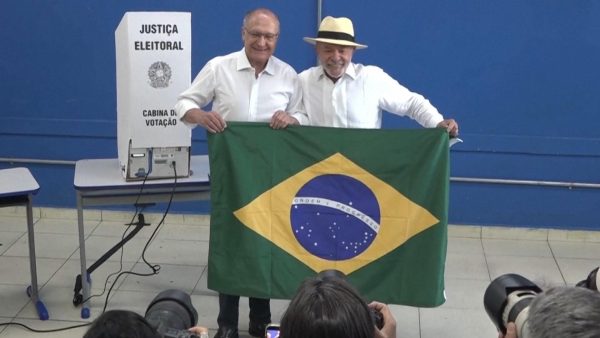
Brazilian President Luiz Inacio Lula da Silva has won a historic fourth term.
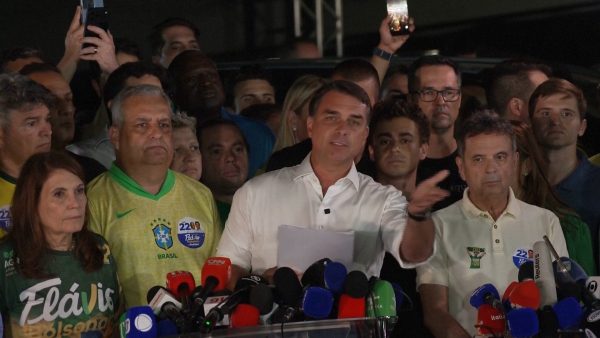
The result defied polls, precedent and global anti-incumbent sentiment and has put the brakes on a wave of right-wing election victories across Latin America. However, Brazilian right-wing Senator Flavio Bolsonaro has refused to concede defeat.
Brazilian incumbent President Luiz Inacio Lula da Silva, candidate of the ruling Workers' Party, won Sunday's presidential runoff.
With 99.99 percent of the votes counted, Lula received 51.79 percent of the valid votes, compared with 48.21 percent for Flavio Bolsonaro, the Liberal Party's presidential candidate and son of former Brazilian President Jair Bolsonaro, according to the official tally.
Lula will be sworn in on Jan. 5, 2027, for a four-year term, his fourth as Brazil's president.
Speaking in a live speech in Sao Paulo following his victory, Lula vowed to work with the conservative Congress elected by the people and ensure greater public participation in the decision-making process.
He also stressed the need to strengthen digital regulation after defeating foreign interference through digital platforms, stressing that Brazil is no one's backyard. Lula also pledged to strengthen public healthcare, improve care for the elderly and continue efforts to combat climate change.
Meanwhile, Flavio Bolsonaro, speaking in the Brazilian capital of Brasilia, said it is "impossible" to recognize the results, and called for the annulment of the election, alleging unequal treatment of voters following an extension of voting hours.
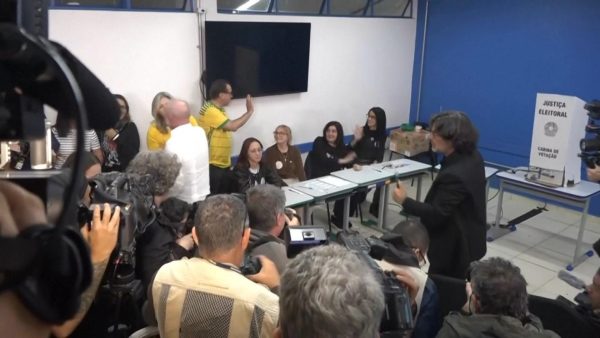
Earlier on Sunday, Brazil's Supreme Federal Court ordered polling stations nationwide to extend voting by two hours in response to disruptions caused by public transport stoppages and heavy rain.
The measure applied only to polling stations that remained open when the decision was communicated by the Superior Electoral Court; stations that had already closed were not reopened.
Bolsonaro argued that the decision had disadvantaged voters in areas where polling stations were not reopened and that his legal team would challenge the results.
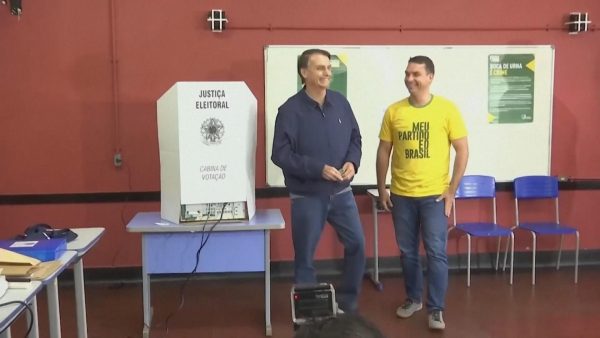
Under Brazil's electoral rules, if no presidential candidate wins outright in the first round by securing more than half of the valid votes, the top two candidates advance to a runoff.
More News
Bolsonaro rejects Brazil election outcome as Lula wins

Brazilians vote in second round of presidential election


Lula, Bolsonaro to enter runoff election October 25
Trending News


Terms and Conditions
Terms and Conditions
Watch news anytime, anywhere. Download now.


Copyright 2026 TVB Limited